



I almost spilled my Saturday coffee scrolling through the flood of world news updates: from Kharkiv’s sudden devastation to police chasing an escaped convict in the Ozarks and the ongoing dance of political titans Trump and Musk. If you paused on any of those headlines, you’re not alone – this weekend, the world seemed both too vast and uncomfortably close. Let’s dig into the stories that made us exhale, shake our heads, and maybe bite our nails a bit (I certainly did).
Kharkiv’s Night of Fire: When Drones Replace Silence
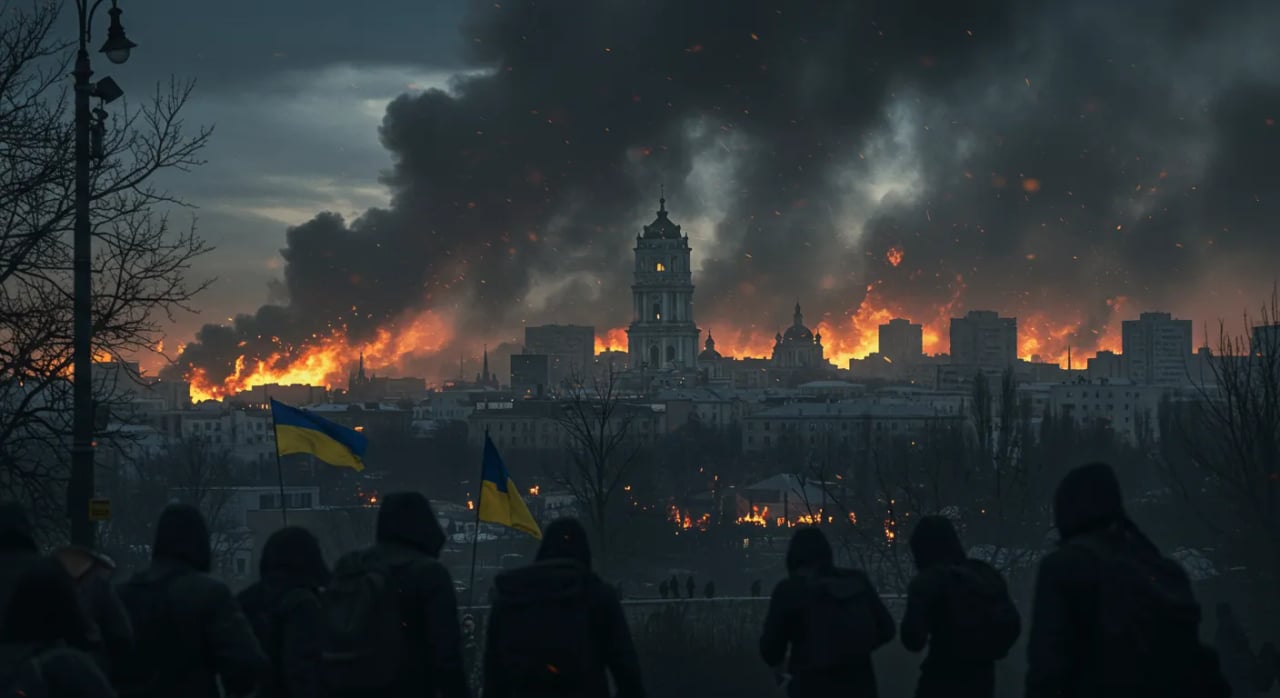
You woke to the sound of sirens, not silence. In Kharkiv, a city already marked by the scars of the Ukraine War, the night of June 7, 2025, brought a new wave of fear. Russian drones and missiles tore through the darkness, targeting residential neighborhoods and leaving devastation in their wake. The Kharkiv Attack, as officials now call it, killed four people and injured more than forty. Among the casualties in Kharkiv were a baby and a 14-year-old, reminders that war rarely spares the innocent.
The attack came suddenly. One local resident described how his family dove into their basement, tea still brewing on the stove, just seconds before glass shattered above them. “A single night can change everything. For Kharkiv, that night was lit by drones,” he said, his voice still shaky. The Russian drone and missile barrage left homes destroyed, streets littered with debris, and families searching for loved ones in the chaos.
Hospitals in Kharkiv scrambled to treat the wounded. Emergency rooms filled quickly as ambulances raced through the city, bringing in victims of the Russian Missiles. Doctors worked under pressure, trying to stabilize patients—some of them children—while air raid sirens continued to echo outside. The city’s air defense systems were tested yet again, but many residents questioned whether enough was being done to protect civilian infrastructure.
Officials described the Kharkiv Attack as part of ongoing Russian retaliation. This latest strike followed Ukrainian drone attacks on Russian airfields, a move that has escalated tensions and led to swift, deadly responses. Research shows that these tit-for-tat attacks are becoming more frequent, with civilian areas increasingly caught in the crossfire. The Ukraine War, once fought along clear frontlines, now reaches deep into cities like Kharkiv, making nowhere truly safe.
- Russian drone and missile attacks focused on Kharkiv’s residential areas.
- At least four people killed, more than forty injured—including minors.
- Casualties Ukraine: A baby and a teenager among the wounded.
- Described locally as retaliation after Ukraine struck Russian airfields.
- Civilian infrastructure hit, air defense systems under scrutiny.
As you walk through Kharkiv’s battered streets, the sense of panic and confusion is hard to miss. Residents share stories of narrow escapes, of families huddled in basements, of a city that now measures time in the moments between explosions. The Kharkiv Attack is another grim chapter in the ongoing Ukraine War, a reminder that when drones replace silence, no night is truly peaceful.
Drone Strikes and the Domino Effect: Escalation and Retaliation
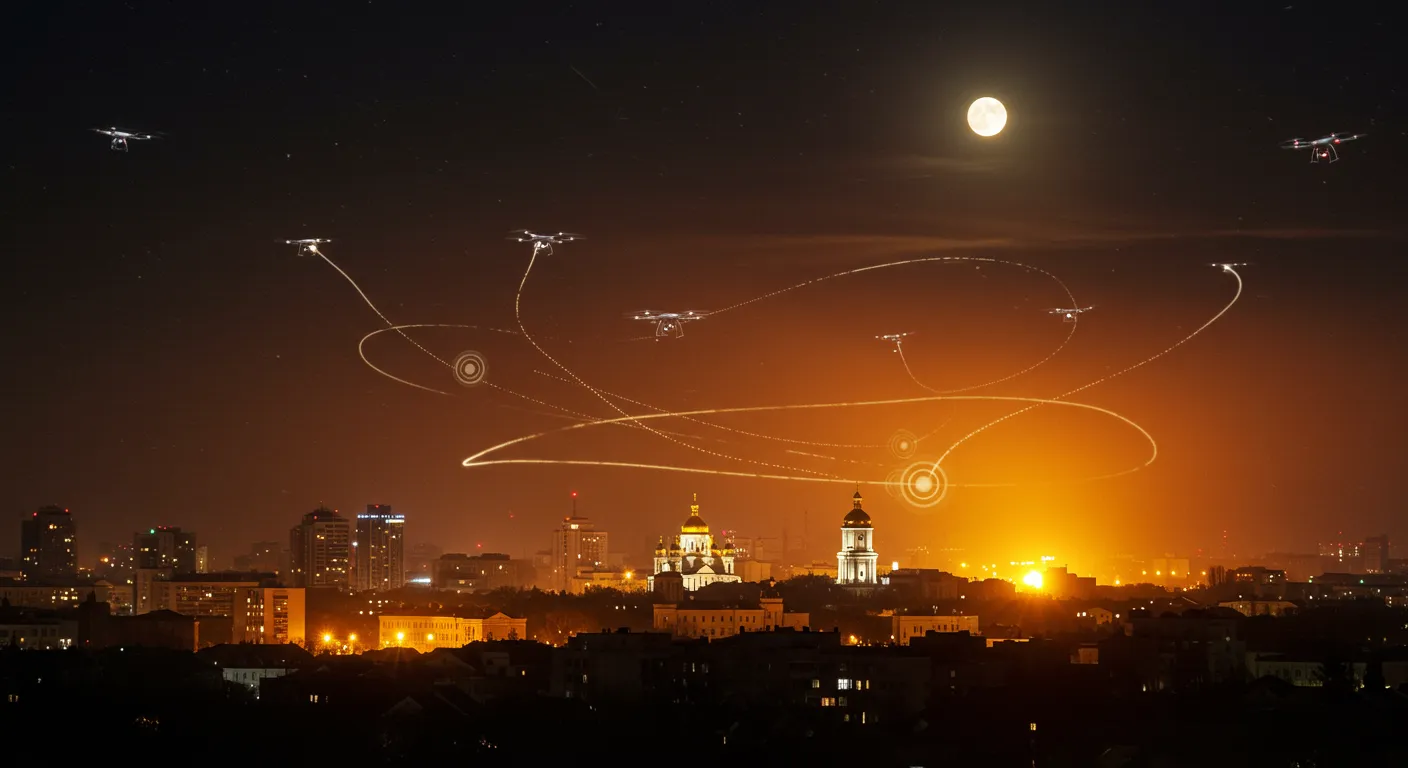
If you’ve been following the headlines, you know that the conflict in Ukraine is entering a new and unpredictable phase. Over the weekend, Ukraine’s surprising drone strikes reached deep into Russian territory, targeting key Russian airfields and even the symbolic Kerch Bridge. These Ukraine Strikes didn’t just damage Russian infrastructure—they also set off a dangerous chain reaction, with Russian retaliation coming swiftly and brutally.
On June 7, 2025, Russian forces launched a drone and missile attack on Kharkiv, killing at least four people and injuring dozens more. Ukrainian officials reported that among the injured were a baby and a 14-year-old, underscoring the human cost of this escalating tit-for-tat. According to PBS News Weekend, these attacks were a direct response to the Ukrainian drone operations inside Russia earlier in the week. The message from Moscow was clear: any strike on Russian soil will be met with forceful Russian retaliation.
President Volodymyr Zelenskyy responded by calling for stronger air defense systems and greater international support. He’s urging Western allies to step up, warning that without modern air defenses, no Ukrainian city is truly safe. The psychological impact of these drone wars is as significant as the physical destruction. Civilians in Kharkiv and beyond now live with the constant threat of attack, never knowing when the next drone or missile might strike.
Ukraine’s use of drones to target Russian infrastructure, including airfields and the Kerch Bridge, marks a shift in the rules of engagement. The Kerch Bridge, a vital link between Russia and Crimea, was not just a strategic target but a symbolic one. Russia has described the attack as a “terrorist act,” and President Putin has publicly questioned the value of peace negotiations, signaling a hardening stance. Peace proposals seem further out of reach as both sides double down on military action.
As one security analyst put it,
“Every new drone strike moves the goalposts for what’s considered normal in this conflict.”The escalation is changing expectations on both sides. Research shows that these tit-for-tat actions are not just military maneuvers—they’re psychological warfare, designed to keep the enemy, and civilians, perpetually on edge.
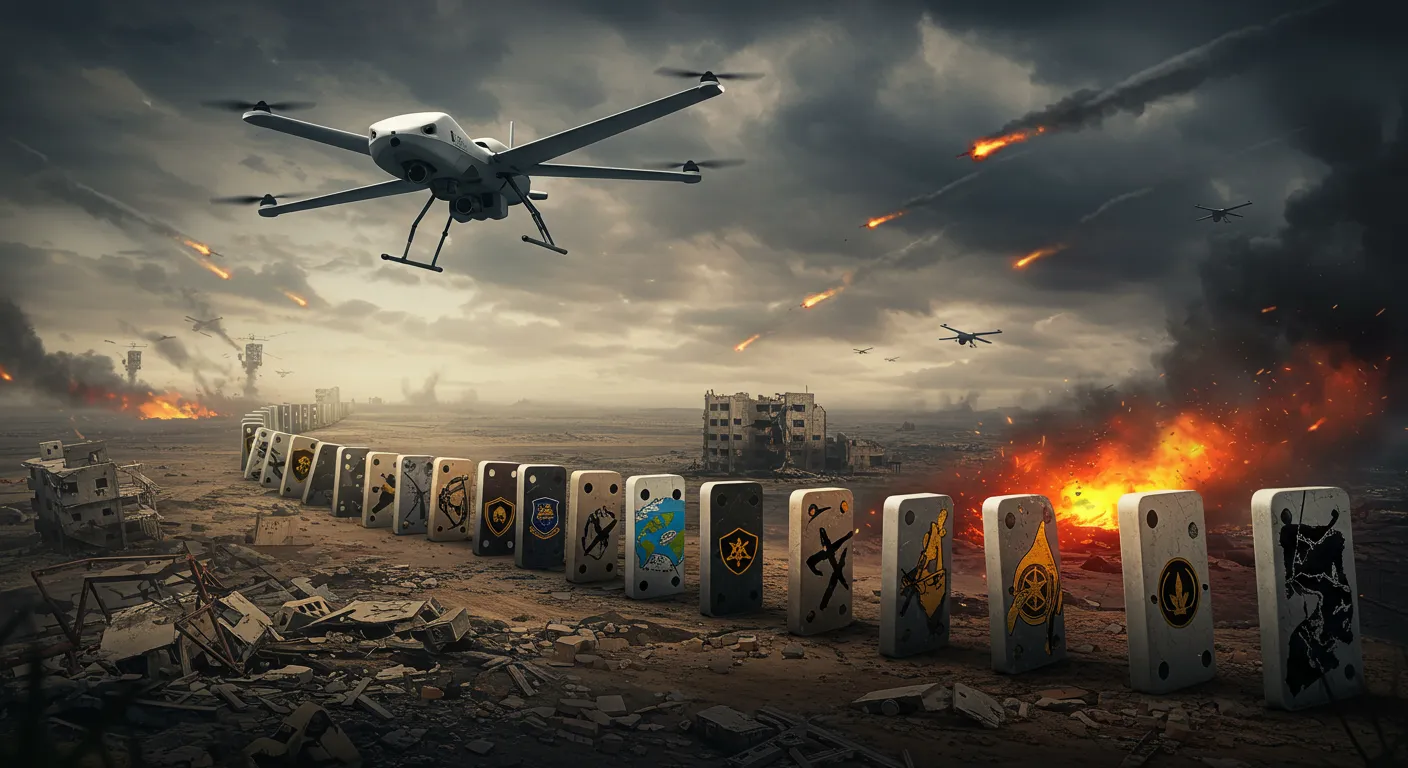
International concern is mounting. President Zelenskyy’s calls for help have grown more urgent, and the world is watching closely as the domino effect of drone strikes and retaliation continues to shape the Ukraine War. For now, the only certainty is uncertainty, as the boundaries of what’s possible—and permissible—keep shifting with every new attack.
Air Defense in the Spotlight: Can Technology Outpace Tragedy?
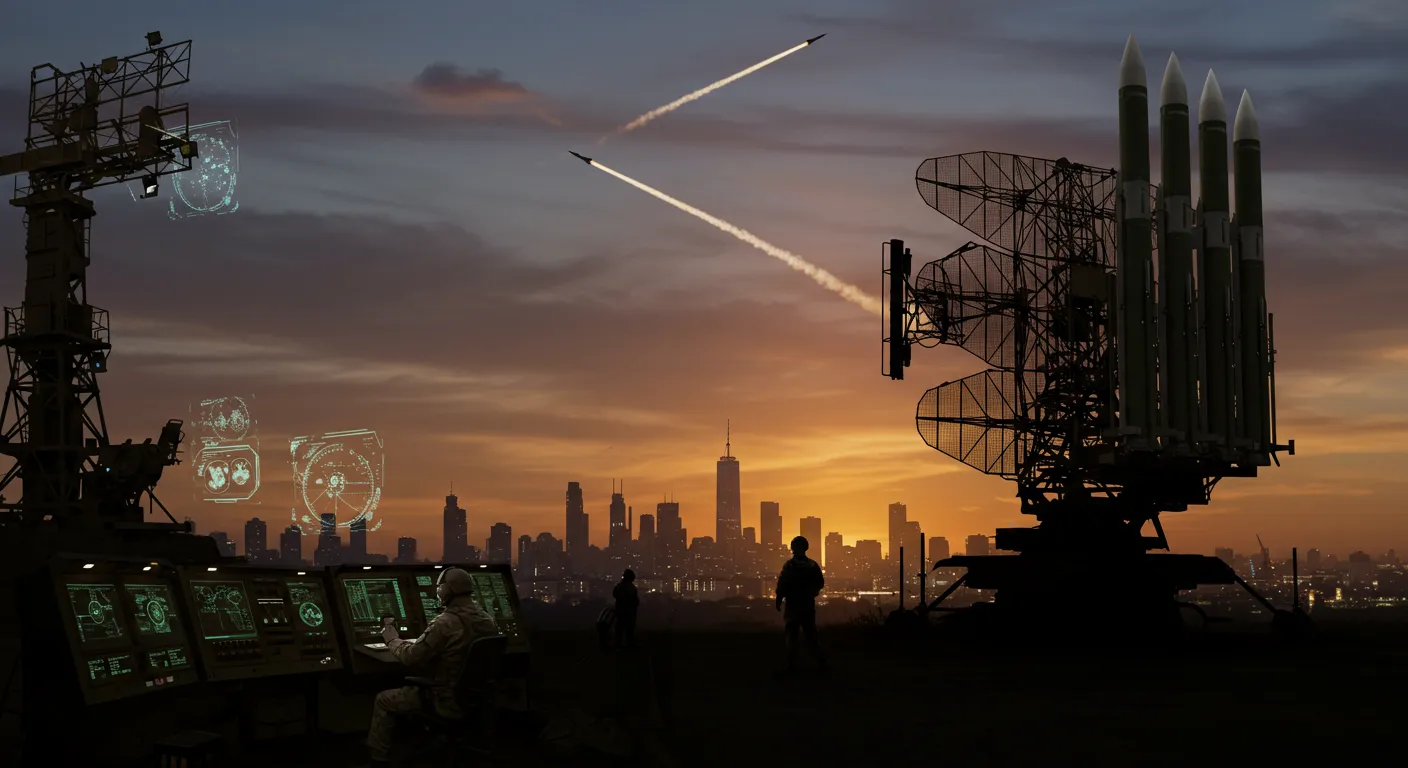
If you live in Kharkiv, air raid sirens are no longer a rare, jarring event—they’re a daily reality. On June 7, Russian drone and missile attacks killed four people and injured more than 40, once again exposing the vulnerabilities in Ukraine’s air defense systems. As the Ukraine War drags on, President Volodymyr Zelenskyy’s plea to international allies has become more urgent: Ukraine needs advanced air defense, and it needs it now.
You can see the cracks in the current system. The recent strike on Kharkiv wasn’t just another headline—it was a reminder that, despite months of international support, gaps remain. Multiple drones and missiles slipped through existing defenses, reaching civilian neighborhoods and leaving devastation in their wake. For many Ukrainians, this is the grim reality: every siren could be the start of another tragedy.
President Zelenskyy has made air defense requests central to Ukraine’s diplomacy. His message is clear and direct: “Our resilience relies on international support and cutting-edge air defenses.” The June 7 attack underscored this message, showing that even major cities like Kharkiv are not fully protected. The lack of efficient coverage means residents face a constant uncertainty—never knowing if the next alert will bring destruction closer to home.
For ordinary people, the psychological toll is immense. A nurse in Kharkiv recently shared that checking her phone for air defense alerts is now as routine as brewing her morning coffee. It’s a small detail, but it says everything about how the Ukraine War has changed daily life. Exhaustion and hope now sit side by side, with technology acting as both shield and reminder of vulnerability.
Research shows that civilian morale depends not just on the physical protection offered by air defense systems, but also on faith in technology and the international community. When you hear about new air defense systems arriving, there’s a flicker of hope. But when attacks like the one on June 7 break through, that hope is tested.
International partners are being asked to accelerate support. The Kharkiv attack has become a rallying point, highlighting the urgent need for more advanced air defense systems. Zelenskyy’s call is not just about military hardware—it’s about the survival and spirit of a nation under siege.
‘Our resilience relies on international support and cutting-edge air defenses.’ — President Volodymyr Zelenskyy
In the end, the question remains: can technology outpace tragedy? For now, Ukrainians wait, listen, and hope that the next siren is answered by something stronger than fear.
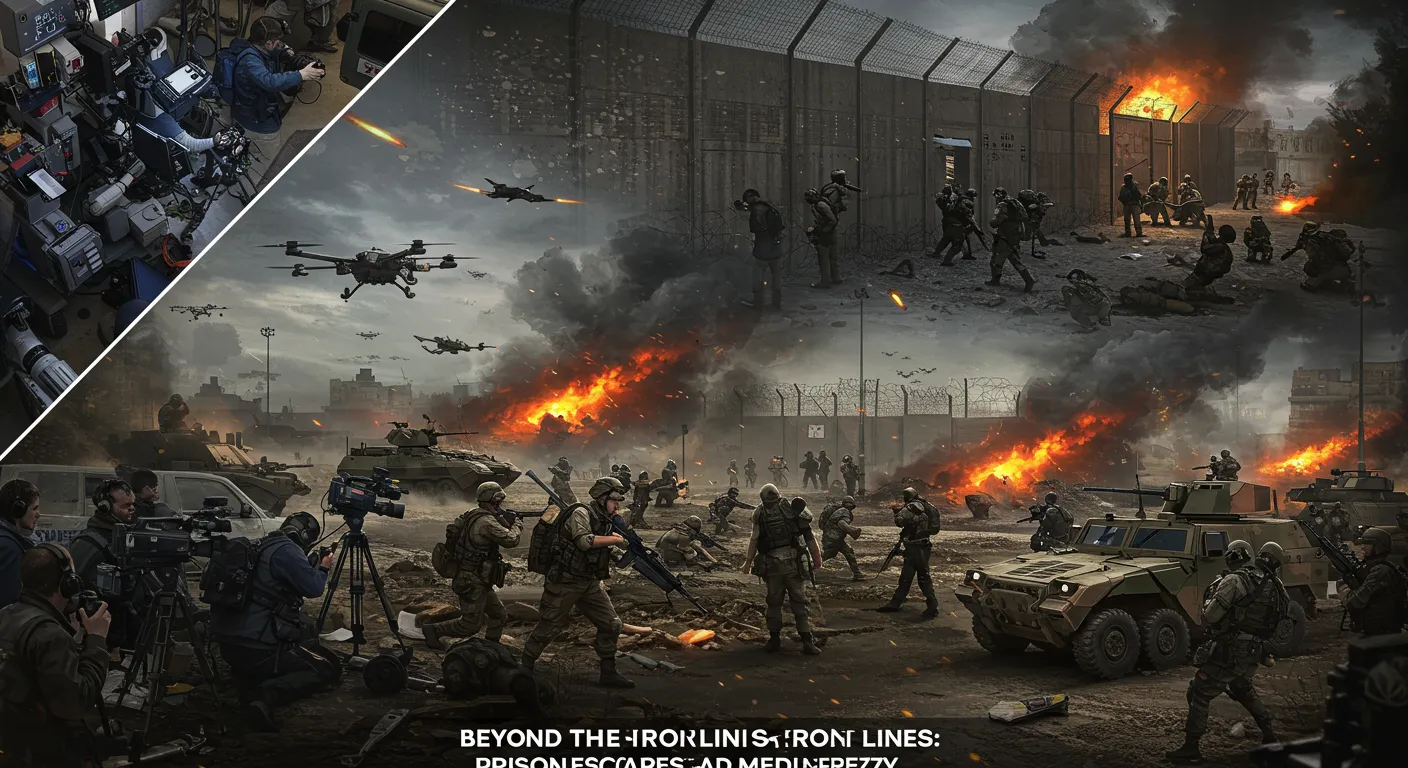
Beyond the Front Lines: Shifting Alliances, Prison Escapes, and Media Frenzy
When you scan the global headlines this weekend, it’s clear the world’s news cycle is anything but linear. While the war in Ukraine and the Gaza conflict dominate the news wrap, a series of seemingly unrelated events unfolded side by side—each vying for your attention in a crowded media landscape.
First, the political chessboard was on full display as the Trump Musk feud escalated. Former President Trump publicly warned Elon Musk of “consequences” if the tech billionaire chose to support Democratic candidates. The standoff, which has been simmering for weeks, now reveals deeper rifts within America’s political and business elite. As reported by PBS News Weekend, this public spat is more than a personal disagreement—it’s a signal of shifting alliances that could reshape the 2024 election landscape. The fallout is unpredictable, but one thing is certain: the Trump Musk saga is far from over, and it’s grabbing headlines across the globe.
Meanwhile, in a story that feels ripped from a Hollywood script, a former police chief was captured after a dramatic prison escape in the mountains of northern Arkansas. The manhunt and eventual capture became a national talking point, sharing the front page with international crises. It’s a reminder that, even as wars rage and political alliances shift, local dramas can still capture the public’s imagination.
At the same time, the streets of Rome filled with thousands demanding peace in Gaza. The Gaza protests drew global attention, with demonstrators calling for an end to violence and a renewed push for diplomacy. On another continent, the U.S. capital saw a massive LGBTQ+ celebration, with thousands gathering to celebrate pride and advocate for equality. These events, though vastly different in purpose and tone, unfolded simultaneously—showcasing the world’s diversity of priorities and passions.
It’s this strange simultaneity that defines the modern news wrap. As John Yang of PBS News Weekend put it,
“The world doesn’t pause for one crisis—it juggles many.”
Imagine, for a moment, a child in Kharkiv—surviving missile strikes—writing a memoir on the same day a former police chief in Arkansas recounts his escape. Their stories, though worlds apart, share a headline. Sometimes, the most unlikely narratives intersect, prompting us to reflect on what makes the front page and why.
Piecing It Together: The Human Cost and the Stories We Miss
When you scan the latest headlines about the Ukraine War or the aftermath of a Kharkiv attack, it’s easy to get caught up in the numbers. Four killed in Kharkiv. Dozens injured. Ninety-five dead in Gaza. These figures, repeated in news cycles, become a kind of shorthand for tragedy. But what do they really tell you? Not much about the mother in Kharkiv searching for her missing cat after the missile strikes, or the father in Gaza waiting by the phone for news of his family. The numbers are real, but the stories behind them are often lost.
Research shows that the true cost of conflict is rarely captured in casualty counts alone. In Kharkiv, Russian drone and missile attacks left four people dead and more than 40 injured, including a baby and a 14-year-old, according to Ukrainian officials. These are the facts, but they only scratch the surface. Each victim had a life interrupted—a routine shattered by violence. The Ukraine War headlines may focus on casualties or the latest peace proposals, but every statistic hides a personal story, a ripple of grief that extends far beyond the blast site.
You might find yourself tracking these events almost automatically, scrolling past updates about the latest Kharkiv attack or the shifting alliances in international politics. It’s understandable. The volume of news can be overwhelming, and the repetition can make you numb. But sometimes, a detail breaks through. Maybe it’s the story of a young Arkansan left wondering how a police chief could vanish into the woods, or a fleeting mention of a Ukrainian violinist in a train station. I remember meeting one such musician in Lviv, who told me,
'Each headline steals a bar from my music.'That line has stayed with me. It’s a reminder that every headline is a note in someone’s unfinished song.
As a news consumer, you have a choice. You can let the numbers wash over you, or you can pause and imagine the lives behind them. The emotional experience of war—the anxiety, the waiting, the small acts of hope and loss—rarely makes it into the headlines. Yet, these are the moments that define the human cost of conflict. When you read about casualties in Ukraine or peace proposals that seem to go nowhere, remember that the real story is not just about geopolitics or shifting alliances. It’s about ordinary people, living through extraordinary times, whose stories deserve to be seen and heard.
