
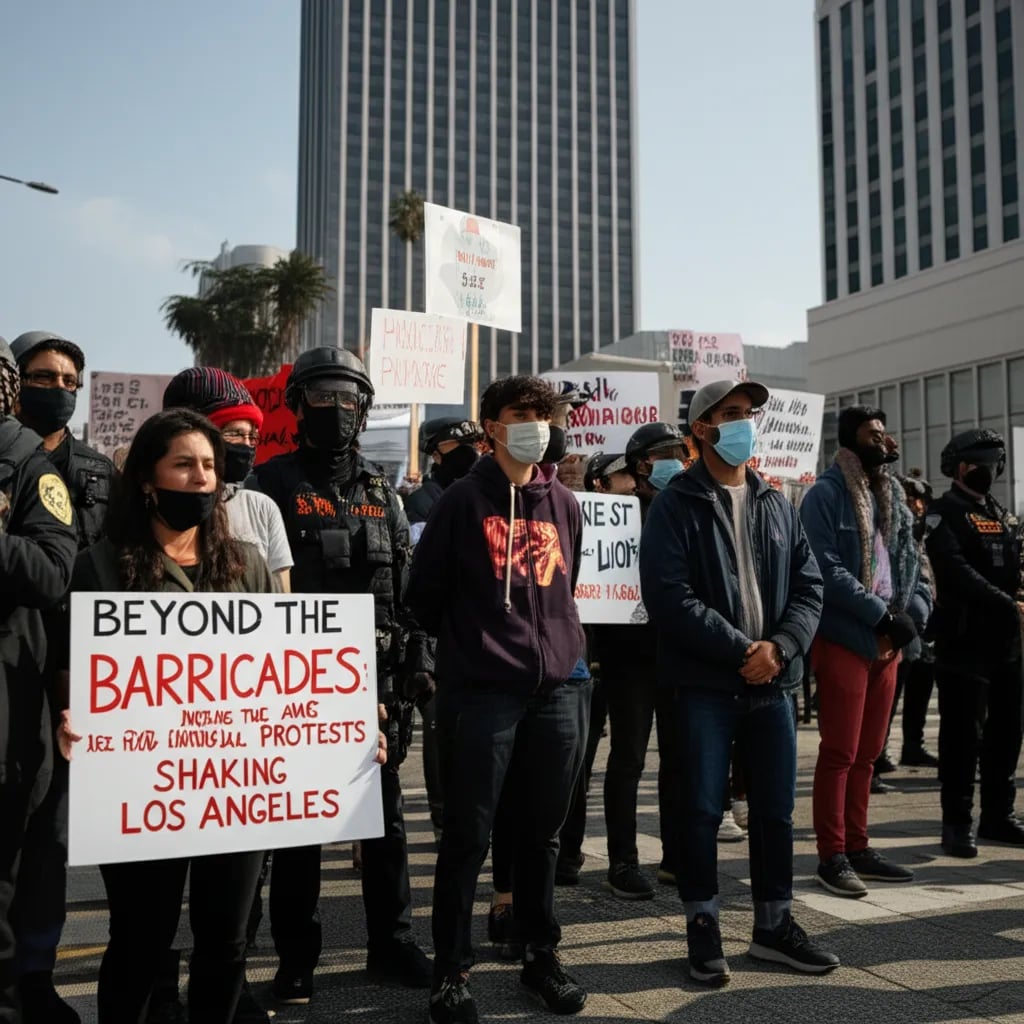


It starts with the sound of helicopters overhead and the sharp tang of tear gas in the summer air—a Saturday in Los Angeles neither quiet nor typical. I remember passing through Paramount once, watching street vendors hawk tamales on the median. This weekend, though, those same medians were filled with protesters wielding homemade signs, recording history on their phones, jeering at the Border Patrol in riot gear. If you think ICE raids are just policy headlines, think again: here’s what it really looked and felt like on the ground.
The Day Tear Gas Painted Paramount: A Street-Level Account
On June 7, 2025, the city of Paramount in Los Angeles County became the epicenter of the latest wave of Los Angeles Protests against ICE Enforcement. If you were there, the scene would have felt surreal—patrol personnel in full Border Patrol Gear, faces obscured by gas masks, standing guard outside an industrial park. Tear gas canisters arced through the air, their hiss and smoke now an almost routine part of the city’s response to unrest. The air was thick, not just with chemicals, but with tension and the constant hum of smartphone livestreams as witnesses documented every moment.
Crowds gathered quickly, filling medians and sidewalks as traffic was cut off. Homemade signs bobbed above the heads—one read, “No Human Being is Illegal.” Others simply demanded, “ICE out of LA!” The crowd’s voice rose in unison, led by a woman with a megaphone who shouted,
“ICE out of Paramount. We see you for what you are. You are not welcome here.”The slogans echoed off the closed storefronts, their urgency amplified by the sight of armored vehicles and the sharp pop of flash-bangs.
The geography of the protest shaped its intensity. With the boulevard closed to traffic, protesters and bystanders alike spilled into the street, using medians as vantage points. Some jeered at authorities, others simply recorded, their phones held high. Research shows that these livestreams and social media posts have become a powerful tool for shaping public opinion and documenting the realities of ICE Raids Los Angeles.
As the standoff escalated, a firework exploded near a line of police—captured in a striking photo by Barbara Davidson of Reuters. The tension was palpable, the line between protest and chaos blurring as law enforcement responded with more tear gas and flash-bangs. In the confusion, a union leader was arrested, adding a new layer of complexity and drawing further attention from labor groups and immigrant rights advocates.
ICE and Border Patrol did not immediately respond to questions about their enforcement tactics that weekend. But the message from the community was clear: Protesters Demand ICE Out. The city’s mayor, Karen Bass, condemned the raids, calling them an attempt to “sow terror” in Los Angeles. Meanwhile, ICE’s acting director defended the agency’s actions, vowing to continue arresting what he called “criminal illegal aliens.”
In Paramount, the clash between federal enforcement and local resistance played out in real time—on the streets, on screens, and in the hearts of those who witnessed it firsthand.

Enforcement versus Fear: Inside ICE Tactics and Political Reactions
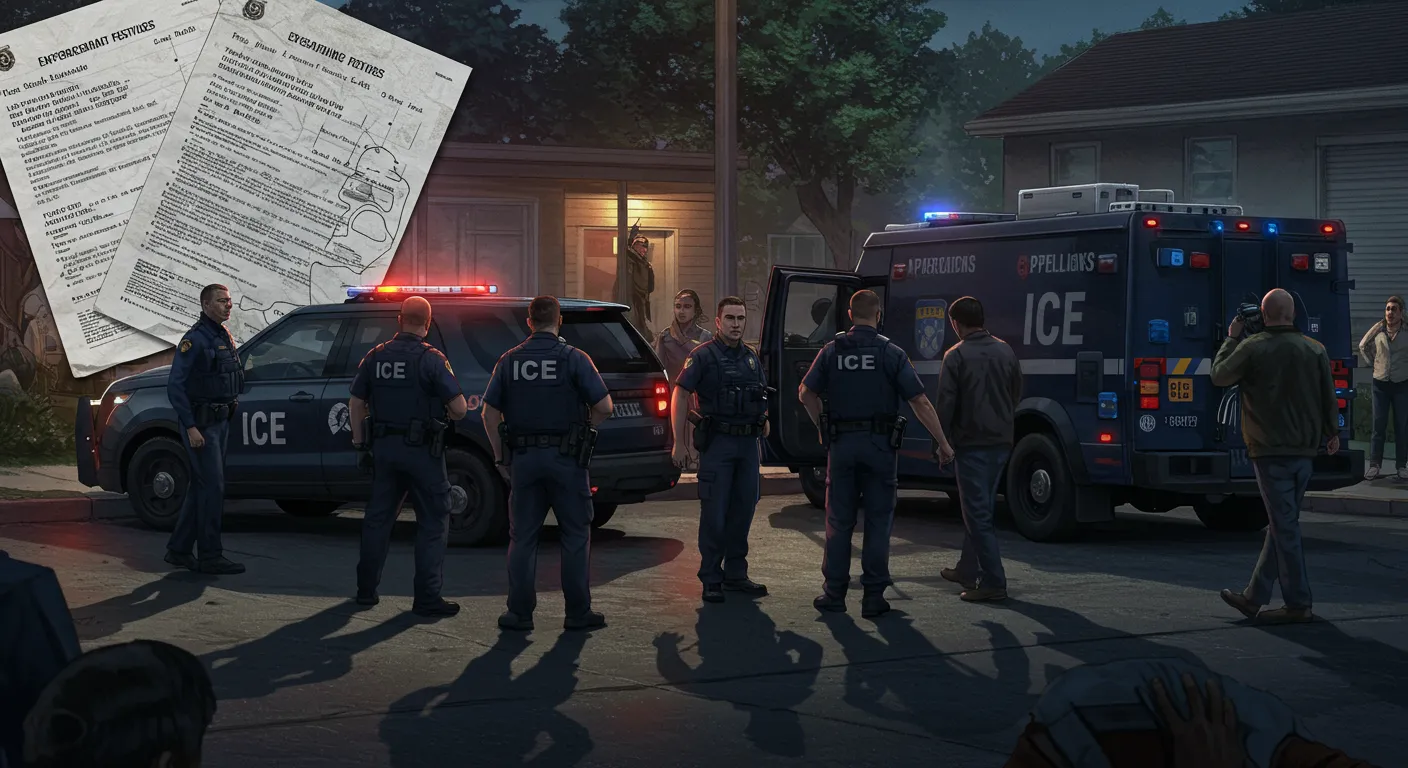
If you were anywhere near downtown Los Angeles on June 6, 2025, you couldn’t miss the tension in the air. ICE Enforcement operations swept across the city, with federal agents executing mass arrests at more than 40 sites in a single day. These ICE Arrests were part of a broader push under Trump Administration Policies to ramp up Immigration Enforcement Tactics, targeting not just warehouses in the Fashion District but also locations as unexpected as Home Depot stores and even a local doughnut shop.
Federal agents arrived with search warrants in hand, focusing on employers suspected of using fictitious documents. Homeland Security Investigations and the U.S. Attorney’s Office confirmed that three federal search warrants were executed, including one at a prominent Fashion District warehouse. Officials said these warrants were based on probable cause for illegal employment practices—a detail that underscores how documentation fraud has become a central theme in current ICE Enforcement strategies.
The response from city leadership was swift and sharp. Los Angeles Mayor Karen Bass issued a statement condemning the raids, calling them an effort to “sow terror” in the nation’s second-largest city. Her words echoed across social media and through the crowds that quickly gathered outside federal detention centers, chanting, “set them free, let them stay!” and “ICE out of LA!” Protesters wielded signs with messages like “No Human Being is Illegal,” while others used megaphones to denounce the presence of immigration authorities.
But ICE’s Acting Director Todd Lyons fired back, accusing Mayor Bass of choosing “chaos and lawlessness over law enforcement.” In his words:
“Mayor Bass took the side of chaos and lawlessness over law enforcement. Make no mistake, ICE will continue to enforce our nation’s immigration laws and arrest criminal illegal aliens.”
The standoff between city officials and federal authorities only seemed to deepen the national divide over immigration enforcement. As Border Patrol personnel in riot gear and gas masks guarded industrial parks and deployed tear gas in Paramount, bystanders and protesters jeered, recorded the events on smartphones, and sometimes clashed with law enforcement. The boulevard was shut down, and the city’s nerves were frayed.
Research shows that the focus on documentation fraud is not just a legal maneuver but a flashpoint for broader debates about the role of local leadership in federal immigration crackdowns. The events in Los Angeles highlight how ICE Enforcement and Immigration Enforcement Tactics are not just about arrests—they’re about the messages sent to communities, the political battles between city halls and federal agencies, and the lived reality for those caught in the middle.
The Protesters' Perspective: Chants, Graffiti, and Grassroots Defiance
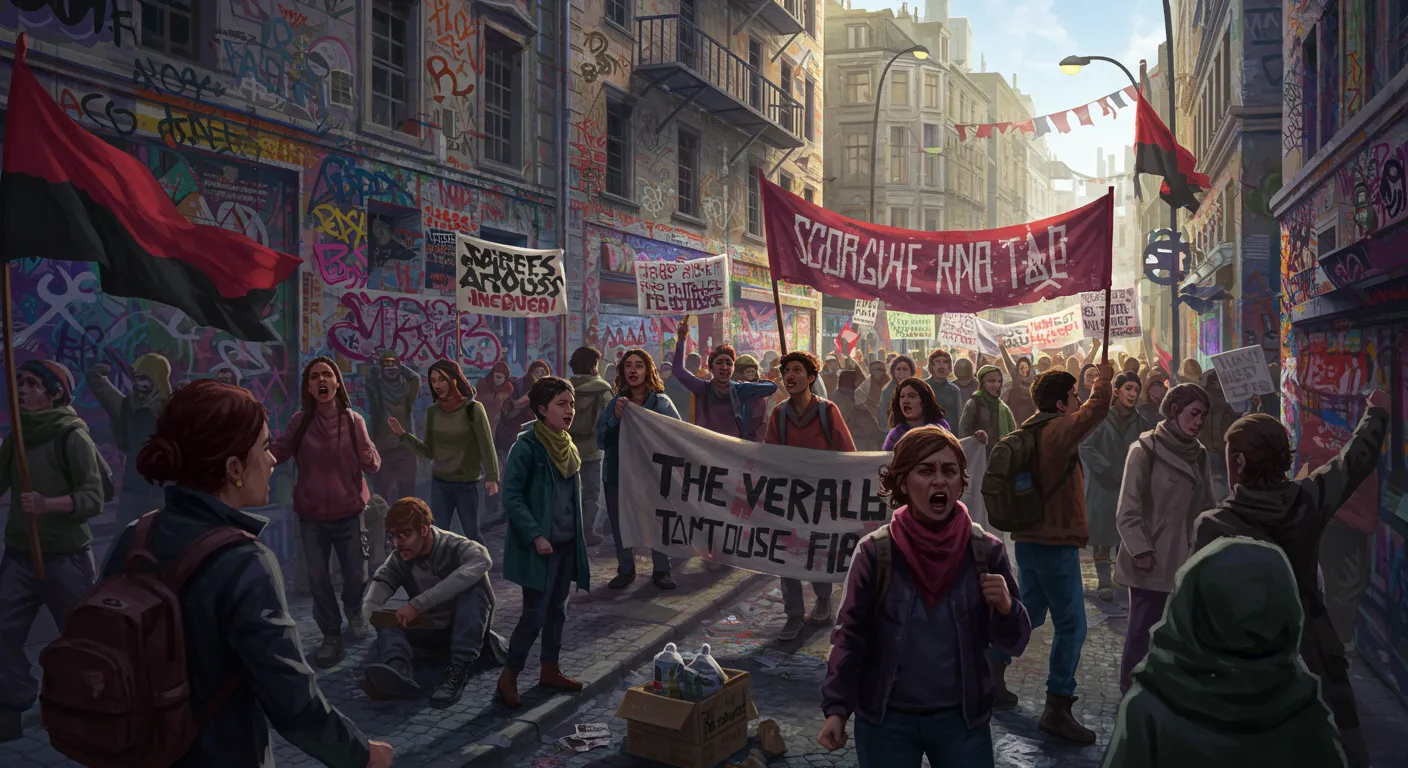
When you look at the streets of Los Angeles this week, you see more than just crowds—you see a movement. The Federal Detention Center Protests have become a flashpoint for Immigrant Rights Activism, drawing hundreds to the heart of downtown and beyond. On Friday evening, protesters gathered outside the federal detention center, where lawyers say those arrested in the recent ICE raids were taken. The air was thick with chants: “Set them free, let them stay!” and “ICE out of LA!” The message was clear—Protesters Demand Change.
Handmade signs, megaphones, and graffiti have become the unmistakable marks of activist presence. One sign, held high above the crowd, read:
“No Human Being is Illegal.”These words echoed through the streets and across social media, amplifying the calls for justice far beyond the barricades. Some protesters scrawled graffiti on the building’s facade, a visible sign of defiance against the ongoing ICE operations. Research shows that such protest actions—ranging from chants to graffiti—are quickly amplified online, fueling the momentum of Los Angeles Protests and drawing national attention.
But the movement isn’t confined to downtown. Demonstrations have rippled outward, reaching retail spaces like Home Depot and even local doughnut shops, where advocates say people were detained by immigration authorities. This grassroots activism, both in-person and online, signals a broader community response. Social media feeds fill with images and videos from the protests, as bystanders and activists alike record the events on their smartphones. The message spreads: Protesters Demand ICE Out—not just from city centers, but from every corner of Los Angeles.
Community leaders and immigrant rights advocates argue that these detentions target entire families, not just individuals. As one woman announced through a megaphone, “ICE out of Paramount. We see you for what you are. You are not welcome here.” The boulevard was closed to traffic as Border Patrol agents in riot gear stood guard, deploying tear gas and flash-bangs in response to the crowd’s resistance. Fireworks exploded in the tense standoff, while protesters jeered and recorded the unfolding confrontation.
Research indicates that these Federal Detention Center Protests and related actions are not isolated incidents. Instead, they reflect a surge in Immigrant Rights Activism—a movement marked by visible, vocal, and viral resistance. The sights and sounds of protest—chants, graffiti, and grassroots defiance—have become the language of a city demanding change.
From Washington to Los Angeles: Policies, Blame, and a Divided Narrative
Step onto the streets of Los Angeles this week, and you’ll find yourself in the middle of a national storm. The ICE raids that swept through the city—targeting warehouses, retail stores, and even a doughnut shop—are not isolated events. They are the latest flashpoint in a much larger campaign, one that’s been shaped by Trump Administration Policies promising mass deportations and toughened ICE Enforcement nationwide.
On Friday, more than 40 people were arrested as Immigration and Customs Enforcement agents executed search warrants across multiple locations. The scenes were tense: crowds tried to block ICE vehicles, protesters gathered outside detention centers, and chants of “set them free, let them stay!” echoed through the night. Signs reading “No Human Being is Illegal” and “ICE out of LA!” were everywhere, as demonstrators faced off with law enforcement in riot gear.
The Trump administration’s stance is clear. Mass Deportations are a cornerstone of its national policy agenda—one that’s now playing out on the streets of Los Angeles. Acting ICE Director Todd Lyons didn’t mince words, stating,
“ICE will continue to enforce our nation’s immigration laws and arrest criminal illegal aliens.”
But the narrative is far from unified. Los Angeles Mayor Karen Bass condemned the raids, accusing federal authorities of trying to “sow terror” in the city. The blame game has ignited, with city leadership, federal officials, and media outlets all clashing over who is responsible for the chaos. Lyons fired back at Bass, saying, “Mayor Bass took the side of chaos and lawlessness over law enforcement.”
As protests intensified, reports surfaced of National Guard Deployment and Marines placed on alert—a signal that the federal government is prepared to escalate its response if unrest continues. The mere mention of military involvement has only added to the confusion and fear on the ground, with rumors swirling about more raids and a growing security presence.
For many in Los Angeles, the public is caught in the middle. Research shows that immigration enforcement here is just one flashpoint in a national pattern under current federal leadership. The streets are filled with uncertainty—fear, confusion, and a sense that the city has become a battleground for a divided narrative. As ICE Enforcement ramps up and Los Angeles Protests grow, the debate over Trump Administration Policies is no longer just political theater. It’s playing out in real time, with real consequences for families, communities, and the city’s sense of safety.
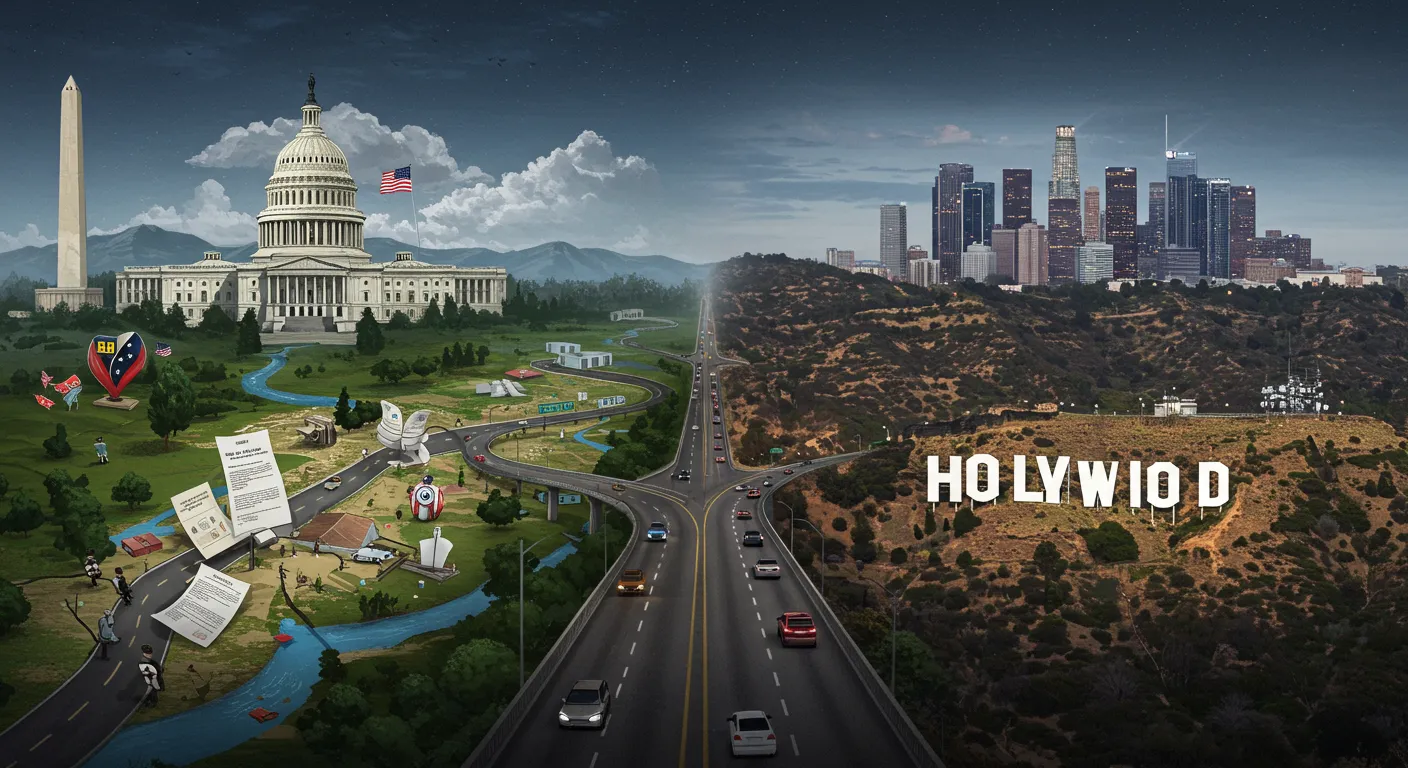
When Neighborhoods Become Battlefields: The Human Cost
Step outside in Los Angeles these days and you might find your street transformed. What was once a familiar route to work or school is now a scene of armored police vehicles, flash-bangs echoing in the distance, and Border Patrol agents in riot gear standing guard. For many, these are not just images on the news—they are daily realities. The recent ICE enforcement actions have left a deep mark on neighborhoods, especially those with large immigrant communities. The impact goes far beyond the headlines.
On Friday alone, ICE officers arrested more than 40 people across multiple locations, including outside a clothing warehouse in the fashion district. Research shows that these raids disrupted not only families but also the local businesses that form the backbone of Los Angeles’ economy. Streets were closed, traffic was rerouted, and daily routines were upended. Imagine trying to get to your job, only to find the boulevard blocked by police, or picking up your child from school while helicopters circle overhead. The sense of safety that once defined these neighborhoods has been shaken.
Community organizations have been working around the clock, offering legal aid and support to those suddenly detained. For many families, the uncertainty is overwhelming. Children are left wondering if their parents will come home. Local workers, many of them immigrants, face the fear of losing their livelihoods. As one advocate put it,
“This city thrives on the dreams of immigrants—when those dreams are shattered, we all lose a piece of ourselves.”
The protests that erupted in response to the ICE enforcement actions have only added to the tension. Tear gas and flash-bangs have become part of the city’s soundtrack. Protesters chant for immigrant rights and demand an end to ICE operations in Los Angeles. Mayor Karen Bass’s statement, condemning the raids as efforts to “sow terror,” reflects the deep divide over how immigration enforcement is carried out. ICE’s Acting Director, Todd Lyons, responded by defending the agency’s actions and criticizing the city’s leadership.
But beyond the political back-and-forth, the human cost is undeniable. Families are separated, businesses are interrupted, and entire neighborhoods are left in a state of uncertainty. The need for civic support has never been greater. As Los Angeles grapples with the fallout from these ICE enforcement actions, one thing is clear: the story is not just about policy—it’s about people, their dreams, and the city they call home.
