
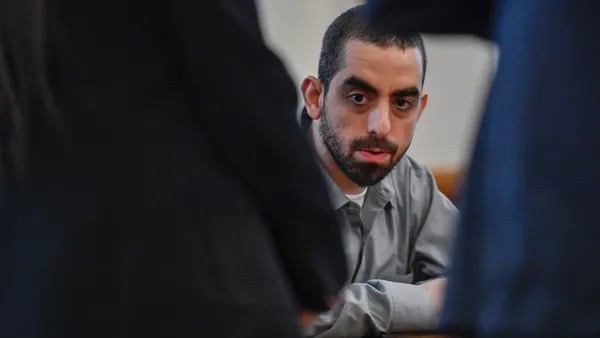


On a sweltering August afternoon in 2022, the literary world was rocked by an event that felt both surreal and chillingly real. Salman Rushdie, renowned author and symbol of artistic resilience, was brutally attacked during a speaking engagement in New York. The crowd, expecting mere words, instead witnessed chaos unfold. I remember thinking—if a figure like Rushdie isn’t safe on a stage dedicated to ideas, what does that mean for the rest of us? This attack, and the recent sentencing of his assailant, Hadi Matar, throws a harsh spotlight on the fragility of public discourse, the reach of extremist ideology, and the resilience of those who survive such violence.
The Anatomy of a Crime: From Attack to Sentencing
The Shocking Scene at Chautauqua Institution
August 12, 2022. It was supposed to be a peaceful morning at the Chautauqua Institution, a place known for thoughtful discussion and cultural exchange. Instead, chaos erupted. Salman Rushdie, the acclaimed author, was on stage, mid-sentence, when a man rushed from the audience. In seconds, the atmosphere shifted from anticipation to horror.
Hadi Matar, a 24-year-old from New Jersey, lunged at Rushdie. Witnesses described a blur of movement—Matar stabbing Rushdie repeatedly, 10 to 15 times, targeting his face and neck. Moderator Henry Reese, caught in the frenzy, was also injured. Bystanders acted fast, tackling Matar and pinning him to the stage. The violence was over in moments, but its impact would stretch on for years.
Injuries and Immediate Aftermath
- Salman Rushdie: Stabbed multiple times, he lost sight in one eye. Blood pooled beneath him. "No question, I thought I was dying," Rushdie later recalled. The words linger—raw, honest, unforgettable.
- Henry Reese: The event’s moderator, also wounded, would testify at the trial. Both men survived, but the scars—physical and emotional—remained.
Doctors say immediate medical attention saved Rushdie’s life. A trauma surgeon testified: without it, Rushdie probably wouldn’t have made it. It’s chilling to think how close the outcome was to tragedy.
The Legal Response: Swift and Decisive
The wheels of justice turned quickly. Matar rejected a plea deal. The trial lasted just two weeks. Both Rushdie and Reese took the stand, recounting the attack in detail. Matar, for his part, did not testify. The defense called no witnesses.
- Charges: Second-degree attempted murder for the attack on Rushdie. Assault for injuring Reese.
- Prosecution’s Argument: District Attorney Jason Schmidt showed slow-motion video of the attack. He described it as deliberate, not random. Stabbing someone in the face and neck, over and over? Schmidt argued this made death a foreseeable outcome.
- Defense’s Counterpoint: Public defender Nathaniel Barone said prosecutors overcharged Matar, maybe because of Rushdie’s fame. He pointed out Matar used knives, not a gun or bomb. He said the attack, though violent, was chaotic—not calculated.
But the jury wasn’t swayed. They deliberated for less than two hours. Their verdict: guilty on all counts.
Sentencing: Maximum Penalty Applied
- Verdict Date: February 2024
- Sentence: 25 years for attempted murder, 7 years for assault (to run concurrently)
Schmidt called the prosecution’s case “lock solid.” The video evidence, he said, was “compelling.” The judge handed down the maximum sentence. Matar will serve 25 years, plus five years of post-release supervision. The sentences for both charges will run at the same time, not one after the other.
Barone, the defense attorney, expressed disappointment. He hoped the system would work differently for his client. But the facts, as the jury saw them, spoke for themselves.
Lingering Questions
Was justice served? The answer depends on who you ask. For Rushdie, the trauma is ongoing. For the legal system, the case is closed—at least for now. Yet, the attack’s ripple effects continue, touching everyone who witnessed that day.
"No question, I thought I was dying." - Salman Rushdie
Sometimes, the headlines only scratch the surface. The real story—of pain, survival, and justice—runs much deeper.
Celebrity and the Courtroom: When Notoriety Shapes Justice
The Fame Factor: Did Rushdie’s Celebrity Status Tip the Scales?
The courtroom is supposed to be a place of impartiality. But what happens when the person at the center of a trial is a global icon? The recent verdict in the Salman Rushdie stabbing case has reignited debates about the influence of celebrity on justice. Defense attorney Nathaniel Barone didn’t mince words: he argued that Hadi Matar, the man convicted of stabbing Rushdie, was overcharged—not because of the act itself, but because of who the victim was.
Barone pointed out that Matar used a knife, not a gun or a bomb. He claimed there was no evidence of an elaborate plot. The implication? If the victim hadn’t been Salman Rushdie, perhaps prosecutors wouldn’t have pushed for the maximum. Maybe the headlines would have been smaller. Maybe the outcome would have been different.
Public Attention: A Double-Edged Sword
- Media Spotlight: The world watched as the trial unfolded. News cameras, reporters, and social media all zeroed in. Every detail—no matter how minor—was dissected and debated.
- Legal Strategies: The prosecution leaned heavily on video evidence. Slow-motion footage showed Matar sprinting from the audience, knife in hand. Prosecutors described the act as deliberate, almost inevitable in its violence.
- Perceptions Shaped: When a case gets this much attention, public opinion can seep into the courtroom. Jurors, even if instructed to ignore the noise, are still human. Can anyone really block out the headlines?
Trial Nuances: Silence and Star Power
One of the more unusual aspects of the trial? Matar himself never testified. The defense called no witnesses. Instead, the narrative was shaped by those on the stand—Salman Rushdie and Henry Reese, both high-profile figures. Their testimony carried weight, not just for what they said, but for who they are.
It’s rare for a defendant to remain completely silent. Some saw it as a legal tactic. Others wondered if it was a missed opportunity. Either way, it left the jury with only one side of the story, amplified by the presence of well-known names.
Quick Verdict, Lingering Questions
- Jury Deliberation: Just two hours. That’s all it took for the jury to reach a decision after a two-week trial. Fast, by any standard.
- Defense Motion: Barone tried to set aside the verdict. The court denied the motion.
- Bystander Intervention: After the attack, bystanders tackled Matar. Their actions were praised, adding another layer to the public narrative.
The rapid outcome left some observers uneasy. Was the evidence truly “lock solid,” as the prosecution claimed? Or did the pressure of a high-profile case push things along at breakneck speed?
Defense Perspective: The System on Trial
"You hope the system works for you, especially in a case like Mr. Matar's."
- Nathaniel Barone (Defense attorney)
Barone’s words echoed after the sentencing. The defense insisted that the case was about more than just one violent act. It was about whether the justice system can remain fair when the world is watching.
Rushdie’s fame, the defense argued, changed everything—from the charges to the media frenzy to the final sentence. Maybe that’s just how it goes when notoriety walks into a courtroom. Or maybe, it’s a sign that justice is never as blind as we’d like to think.
What Justice Leaves Behind: Aftermath, Book Releases, and Federal Charges
The courtroom is quiet now. The headlines have faded, but the consequences of the Salman Rushdie stabbing echo far beyond a single verdict. What comes after justice, or something like it, is handed down?
Rushdie’s Creative Response: Turning Trauma Into Words
Salman Rushdie, the man at the center of it all, chose to fight back in a way only a writer can. His book, Knife: Meditations After an Attempted Murder, offers a raw, personal account of the attack and the days that followed. It’s not just a memoir. It’s a meditation on violence, survival, and the strange calm that sometimes comes in the face of death.
He writes about lying in a pool of his own blood, thinking, “Oh yeah, I think I’m dying.” But he wasn’t. Not that day. Instead, he turned the pain into prose, sharing his story with the world. For some, that’s a kind of justice too.
Federal Charges: The Legal Battle Isn’t Over
Hadi Matar, the man convicted of stabbing Rushdie, is now serving a 25-year prison sentence for attempted murder. But the legal system isn’t finished with him yet. Matar faces a federal indictment on three terrorism-related counts. Prosecutors allege he tried to provide material support to Hezbollah, a group the U.S. classifies as a foreign terrorist organization.
The indictment is serious. It accuses Matar of attempting to kill, maim, and assault with a dangerous weapon. If convicted, these charges could keep him behind bars for much longer. For now, his state sentence stands at 25 years, with five years of post-release supervision. The assault charge adds another seven years, plus three years’ supervision, but the sentences run at the same time—not one after the other.
"I think we're really looking at 25 plus five. That's what I'll advocate for. I think that's appropriate here."
- Jason Schmidt, District Attorney
Broader Impacts: Safety, Speech, and Unanswered Questions
The attack on Rushdie didn’t just injure a famous author. It rattled the world of public discourse. Suddenly, every cultural event, every open stage, felt a little less safe. Organizers asked: Are we doing enough to protect speakers? Can we guarantee freedom of expression without risking lives?
Rushdie’s stabbing forced a reckoning. Some venues increased security. Others hesitated to host controversial figures. There’s a chill in the air now—subtle, but real. Is this the new normal? Or will the memory of violence fade, replaced by the old optimism that words, not weapons, should win the day?
The conversation is ongoing. Some argue that the attack was a rare, isolated event. Others see it as a warning, a sign of growing intolerance and danger for those who speak out. There’s no easy answer. Maybe there never will be.
Conclusion: The Ripple Effects Continue
Justice, in the legal sense, has been served. But the story doesn’t end there. Rushdie’s book reminds readers that survival is messy, recovery is slow, and the scars—visible or not—linger long after the news cycle moves on.
Matar’s federal charges will play out in the courts, but the broader impacts are harder to measure. Public safety, freedom of speech, and the courage to stand on stage—these are all on trial, in a way. Maybe the real verdict will come not from a judge, but from how society chooses to respond. For now, the world watches, waits, and wonders what justice truly leaves behind.
