


I still remember the last time Dutch politics blindsided me. It was a rainy morning in Amsterdam when the news alert buzzed: ‘Wilders walks out.’ In a country obsessed with consensus, this move felt seismic. It wasn’t the first time Geert Wilders stormed out of a coalition, but the stakes now—border controls, asylum debates, and Europe’s jittery mood—were higher than ever. As I watched Dick Schoof’s emergency address, I couldn’t shake the feeling that this wasn’t just a bad day for a fragile government. It was a riptide pulling the Netherlands—and perhaps all of Europe—into rougher waters.
Wilders Withdrawal: The Domino That Toppled a Government
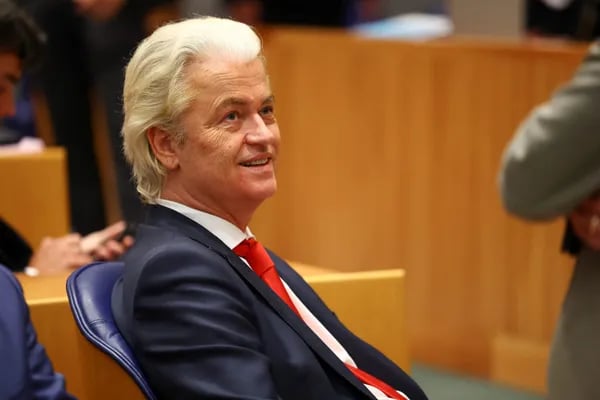
On June 3, 2025, Dutch politics was thrown into chaos. Geert Wilders, leader of the Party for Freedom , announced on X (formerly Twitter) that he was pulling his ministers from the ruling coalition. The move, which came after a tense parliamentary meeting with coalition leaders, instantly triggered a Coalition Collapse and left the Netherlands with only a Caretaker Government . The timing could hardly be worse, with the country set to host a NATO leaders’ summit in just three weeks and no clear path forward for stable governance.
Wilders’ main grievance was the coalition’s failure to deliver on what he called the “toughest asylum policy .” He had demanded a 10-point plan, including deploying the army to Dutch borders and rejecting all asylum seekers. When these measures stalled, Wilders made good on his threat to walk away. As he put it:
“I signed up for the toughest asylum policy and not the downfall of the Netherlands.”
The shockwaves were immediate. Prime Minister Dick Schoof, who had been handpicked by Wilders just 11 months earlier, convened an emergency cabinet meeting. Schoof then visited King Willem-Alexander to formally deliver the resignation of the Party for Freedom ministers. In a pointed statement, Schoof called Wilders’ decision “unnecessary and irresponsible,” emphasizing the need for unity amid what he described as “global instability, a continental war, and a looming economic crisis.”
With the Coalition Collapse , the Schoof administration now ranks among the shortest in Dutch history—just 11 months in office. The government will limp along in caretaker mode until new elections, which are unlikely before the fall. This leaves the Netherlands in a precarious position, especially with major international events on the horizon and critical policy decisions on hold.
Wilders’ Demands and the Breaking Point
The seeds of this crisis were sown in recent weeks. Wilders had been vocal about his dissatisfaction with the pace of migration reforms. His 10-point plan was uncompromising, calling for military deployment at borders and a blanket rejection of asylum seekers. When coalition partners hesitated, Wilders issued a stark warning: either adopt his policies or face his party’s exit from the Cabinet. On June 3, he followed through.
Despite the collapse, Wilders’ Party for Freedom remains neck-and-neck in the polls with the center-left opposition. This public support has only added to the uncertainty, as Dutch voters now face months of political limbo.
Reactions from Coalition Partners
Other coalition leaders were quick to push back against Wilders’ narrative. Dilan Yesilgöz, head of the People’s Party for Freedom and Democracy, said Schoof had urged all parties to act responsibly, especially given the “enormous international challenges” ahead. She called Wilders’ withdrawal “super-irresponsible.”
Caroline van der Plas, leader of the Farmers Citizens Movement , was even more direct:
“He is not putting the Netherlands first, he is putting Geert Wilders first.”
Nicolien van Vroonhoven of the New Social Contract party noted that a minority cabinet could theoretically continue, but Schoof’s statements suggested otherwise. The sense among coalition partners was clear: Wilders’ move was about political self-interest, not national stability.
Broader European Context
This Coalition Collapse is not happening in isolation. Across Europe, far-right and populist parties are gaining ground. Just days before, Poland elected a conservative president with U.S. backing, signaling a shift toward nationalism. In the Netherlands, Wilders’ Party for Freedom had already made history by winning the most seats in the 2023 elections, a dramatic turn for Dutch politics.
The instability isn’t new. Wilders previously withdrew support from a minority government in 2010, leading to its collapse. As Rob Jetten, leader of the opposition D66 party, observed:
“You know that if you work with Wilders in a coalition … it won’t go well.”
Opposition Sees Opportunity
Opposition leaders, meanwhile, are calling for fresh elections. Frans Timmermans, head of the main opposition bloc, said:
“It’s an opportunity for all democratic parties to rid ourselves of the extremes because it’s clear that with the extremes you can’t govern. When things get difficult, they run away.”
As research shows, the Dutch Government Collapse has exposed the fragile nature of coalition politics and the challenges of governing with far-right partners. The caretaker government will persist until elections, likely in fall 2025, but the uncertainty is palpable—both in the Netherlands and across Europe.
Migration Policies and the Pulse of Dutch Politics
On June 3, 2025, the Netherlands was thrust into political chaos as Geert Wilders, leader of the Party for Freedom, withdrew his party’s ministers from the ruling coalition. The reason? A fierce dispute over the country’s immigration policy and, more specifically, the pace and depth of new asylum policy reforms. This move, announced by Wilders on X after a tense meeting with coalition leaders, instantly triggered a government collapse and left the Netherlands with only a caretaker administration as it heads toward new Dutch elections .
At the heart of this rupture was Wilders’ insistence on what he called the “toughest asylum policy.” He demanded immediate implementation of a 10-point plan that included sending the army to secure land borders, rejecting all asylum-seekers outright, and slashing migration numbers to historic lows. Wilders argued that anything less would mean “the downfall of the Netherlands.” His party’s popularity remains strong, with recent polls showing the far-right nearly tied with the center-left opposition, making migration policies a defining issue as the country prepares for another round of elections.
The coalition, formed just 11 months ago, was always an uneasy alliance. Alongside Wilders’ Party for Freedom, the government included the center-right VVD, the pro-agriculture BBB, and the centrist New Social Contract. Each party campaigned on promises to address migration, but Wilders’ vision was far more radical. His 10-point plan became the flashpoint. When coalition partners hesitated, Wilders followed through on his threat: “If you don’t agree to these measures, we’re out.”
Coalition partners quickly pushed back on Wilders’ narrative. Dilan Yesilgöz, leader of the VVD, said Prime Minister Dick Schoof had urged all parties to act responsibly, especially with the NATO summit looming and global instability rising. Yesilgöz called Wilders’ move “super-irresponsible.” Caroline van der Plas of the BBB accused Wilders of putting personal ambition above the national interest. Nicolien van Vroonhoven, head of New Social Contract, noted that while a minority cabinet was technically possible, Schoof’s subsequent statements made that unlikely.
The dispute over immigration policy is not new in Dutch politics. In fact, research shows that coalition fractures over migration have become a recurring theme. The 2010 collapse of Mark Rutte’s minority government, after Wilders withdrew support over austerity and migration, is a clear precedent. As Rob Jetten of the opposition D66 party put it,
“You know that if you work with Wilders in a coalition … it won’t go well.”
What’s different this time is the scale and urgency of the debate. Wilders’ demands for stricter asylum policy were not just about numbers—they were about fundamentally reshaping how the Netherlands engages with migration. His plan called for military involvement at borders and a blanket rejection of asylum-seekers, a stance that even his coalition partners could not endorse. Yet, all parties acknowledged the need for migration policy reform. The real dispute was over how fast and how far to go, with Wilders insisting on immediate, sweeping changes and others urging a more measured approach.
The timing of the collapse could not be more consequential. With the Netherlands set to host a major NATO summit in just weeks, the country now faces international scrutiny under a caretaker government. Prime Minister Schoof, who was handpicked by Wilders only a year ago, called the collapse “unnecessary and irresponsible,” highlighting the need for stability amid economic and geopolitical uncertainty.
Meanwhile, the Party for Freedom’s rise in the 2023 Dutch elections marked a dramatic shift in the political landscape. As the largest party, Wilders’ influence was undeniable, but his uncompromising stance on migration policies ultimately proved too divisive for the coalition to survive. The opposition, led by figures like Frans Timmermans, seized the moment to call for new elections and a reset of Dutch politics, arguing that “with the extremes you can’t govern. When things get difficult, they run away.”
As debates over immigration policy and asylum policy continue to dominate headlines, the Netherlands finds itself at a crossroads. The fallout from Wilders’ withdrawal is not just a domestic story—it’s a reflection of broader European trends, where migration and populism are reshaping the political order.
European Populism : Local Quakes, Continental Ripples
When Geert Wilders pulled his Party for Freedom out of the Dutch coalition government on June 3, 2025, the shockwaves were felt far beyond The Hague. This wasn’t just a local political drama—it was a moment that captured the accelerating rise of European Populism and the unpredictable nature of Far-Right Politics across the continent. As I watched the news unfold, it was impossible to ignore how the Netherlands’ crisis fit into a much larger pattern of right-wing rise and migration crisis debates now echoing from Lisbon to Berlin.
Wilders’ move—triggered by a dispute over the pace and severity of asylum policy reforms—left the Netherlands with only a caretaker government just weeks before it hosts a major NATO Summit. The timing could hardly be worse. With European security and defense spending set to dominate the agenda, the Dutch political vacuum now threatens to overshadow the summit, raising questions about the country’s ability to play a decisive role in key NATO decisions. Research shows that the collapse of the Dutch government could have direct implications for how the alliance approaches defense commitments and migration policy, especially as Europe faces ongoing instability at its borders.
But the Netherlands is not alone. The surge in far-right, populist, and nationalist energies is a trend that’s been accelerating across Europe. Just days before Wilders’ withdrawal, Poland elected conservative Karol Nawrocki as president, a candidate openly backed by former U.S. President Donald Trump. That victory signaled a clear shift in Poland’s political direction, aligning it more closely with the populist wave sweeping through the continent. Similar stories are playing out in Portugal, Germany, and the UK, where right-wing parties are gaining ground on platforms that often center around migration, national identity, and skepticism toward traditional alliances.
This isn’t Wilders’ first time at the center of coalition chaos. Back in 2010, he famously withdrew support from a minority government led by Mark Rutte, leading to its collapse after less than two years. That history has shaped his reputation as a volatile partner—one who is willing to walk away when coalition compromises don’t align with his hardline agenda. As Rob Jetten, leader of the opposition D66 party, put it, “You know that if you work with Wilders in a coalition … it won’t go well.” The events of this week have only reinforced that perception.
The immediate fallout has been fierce. Prime Minister Dick Schoof, who was handpicked by Wilders just a year ago, called the collapse “unnecessary and irresponsible,” warning that the Netherlands needs stability and decisiveness in the face of global instability and a looming economic crisis. Other coalition leaders echoed that frustration. Dilan Yesilgöz, head of the People’s Party for Freedom and Democracy, described Wilders’ move as “super-irresponsible,” while Caroline van der Plas of the Farmers Citizens Movement accused him of putting personal ambition ahead of the national interest.
Yet, for many in the opposition, this crisis is seen as an opportunity. Frans Timmermans, former European Commission climate chief and now leader of the main opposition bloc, was unequivocal: he will not support a minority government and wants new elections as soon as possible. In his words,
“It’s an opportunity for all democratic parties to rid ourselves of the extremes because it’s clear that with the extremes you can’t govern. When things get difficult, they run away.”
As the Netherlands heads into a period of caretaker governance, the broader European context cannot be ignored. The migration crisis remains a flashpoint, fueling the rise of far-right parties and reshaping the continent’s political map. The upcoming NATO Summit in the Netherlands will now unfold against a backdrop of uncertainty, with the world watching to see how Dutch instability might ripple through international alliances and defense strategies.
In the end, the Dutch government’s collapse is more than a national story—it’s a vivid illustration of how European Populism and Far-Right Politics are redrawing the boundaries of power, both at home and abroad. The coming months will test not only the resilience of Dutch democracy but also the ability of Europe’s institutions to adapt to a new era of political volatility. As history has shown, local quakes can send continental ripples—and this one is far from over.
