
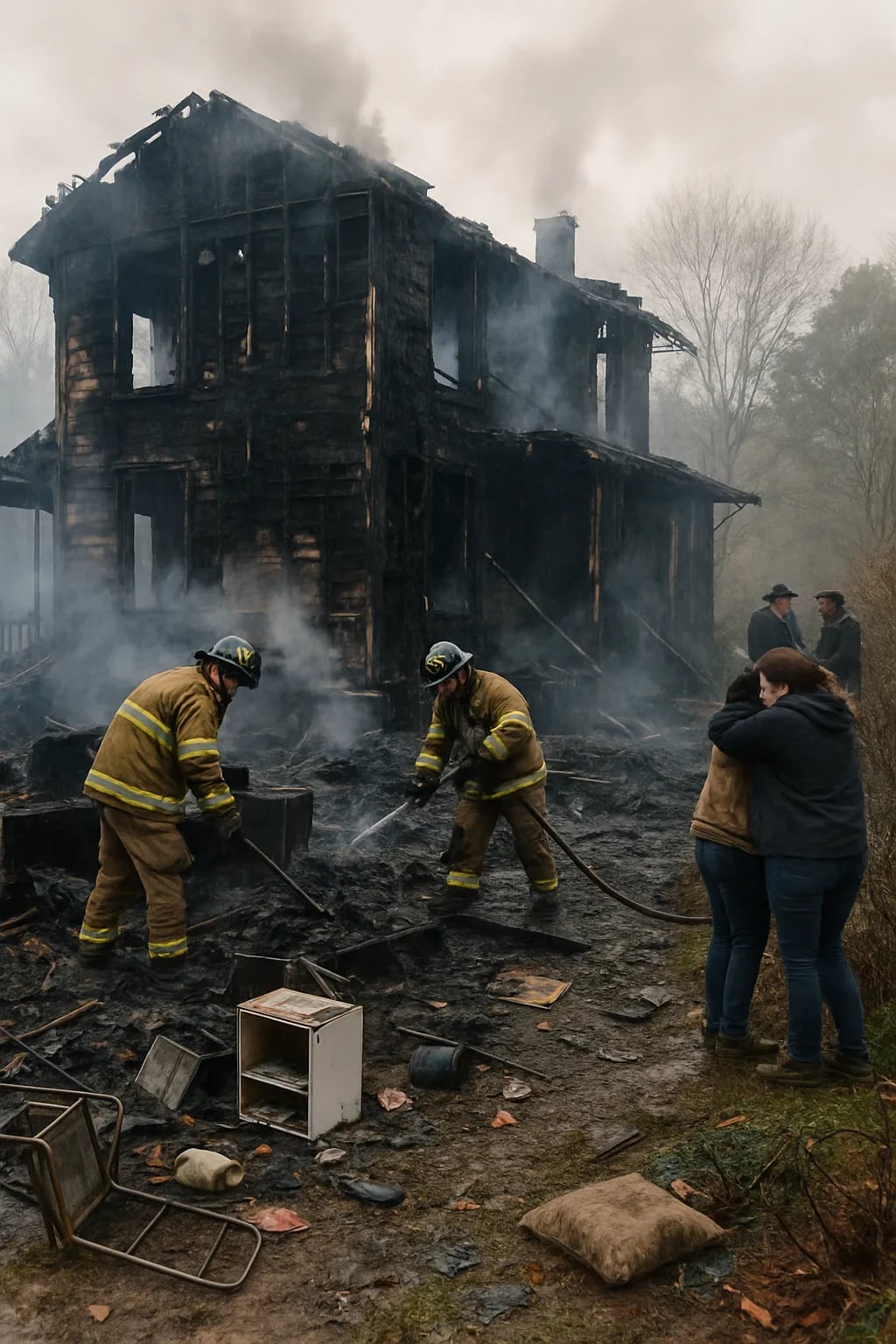



You never expect disaster to choose your block—until the sirens become your sirens. I grew up two streets over from a place like Gabriel House, a spot where generations found comfort. But on a night in Fall River, comfort gave way to chaos, and the meaning of home was rewritten for dozens of families. Let’s walk together through those smoke-filled halls—not as distant observers, but as neighbors piecing together the hours that changed everything.
The Unseen Face of Tragedy: Who Were the Gabriel House Fire Victims?
When the Gabriel House fire broke out late Sunday night, the assisted living facility was home to some of the city’s most vulnerable residents. Most were elderly, many wheelchair-bound or needing special care. For these fire victims and survivors, escaping the smoke-filled hallways was a struggle few could have imagined. The fire, which quickly became one of the state’s deadliest in recent memory, left nine people dead and over thirty hospitalized, with the community now mourning the loss and grappling with the aftermath.
The Gabriel House fire unfolded as residents were preparing for bed. For some, there was little warning. “I thought I was dead. I really thought I wasn’t going to make it,” one survivor recalled, voice trembling as they described the panic and confusion. Thick smoke filled the corridors, making escape nearly impossible for those with mobility issues. Firefighters, including thirty who rushed in while off duty, worked frantically—breaking windows, carrying residents down ladders, and searching rooms one by one. “First room empty. Second door, I kicked in, body. Next room, empty. Next room, body,” a first responder recounted, underscoring the grim reality that unfolded inside.
Among the deceased was Eleanor Willett, the oldest victim at 86. Her son received the devastating call just before midnight. “I’m very religious… but very outgoing,” he shared, reflecting on his mother’s life and the faith that now helps him cope. Richard Rochon, a Vietnam veteran, was also lost in the fire. Family members described their heartbreak and the challenge of staying strong for each other. “I had my breakdown, but right now I’m just trying to be strong for her because that was her brother,” one relative said, their grief still raw.
The tragedy did not end with the fatalities. Brenda Hurley remains in critical condition, suffering burns to half her body. Her family keeps vigil at her bedside, hoping for a miracle. In total, thirty residents were hospitalized, most for smoke inhalation—a reminder of how quickly a fire’s unseen dangers can spread through an assisted living facility. Research shows that elderly individuals and those with disabilities are at greatest risk during such emergencies, and the Gabriel House fire has brought that reality into sharp focus.
The ripple effect of these fire injuries and fatalities extends far beyond the walls of Gabriel House. Many victims had deep roots in the community, their absence now felt by neighbors, friends, and loved ones. As the investigation continues, the stories of those lost and those who survived remain a powerful testament to the human cost of this tragedy.
Into the Smoke: Heroics and Hazards of the Firefighter Rescue Efforts
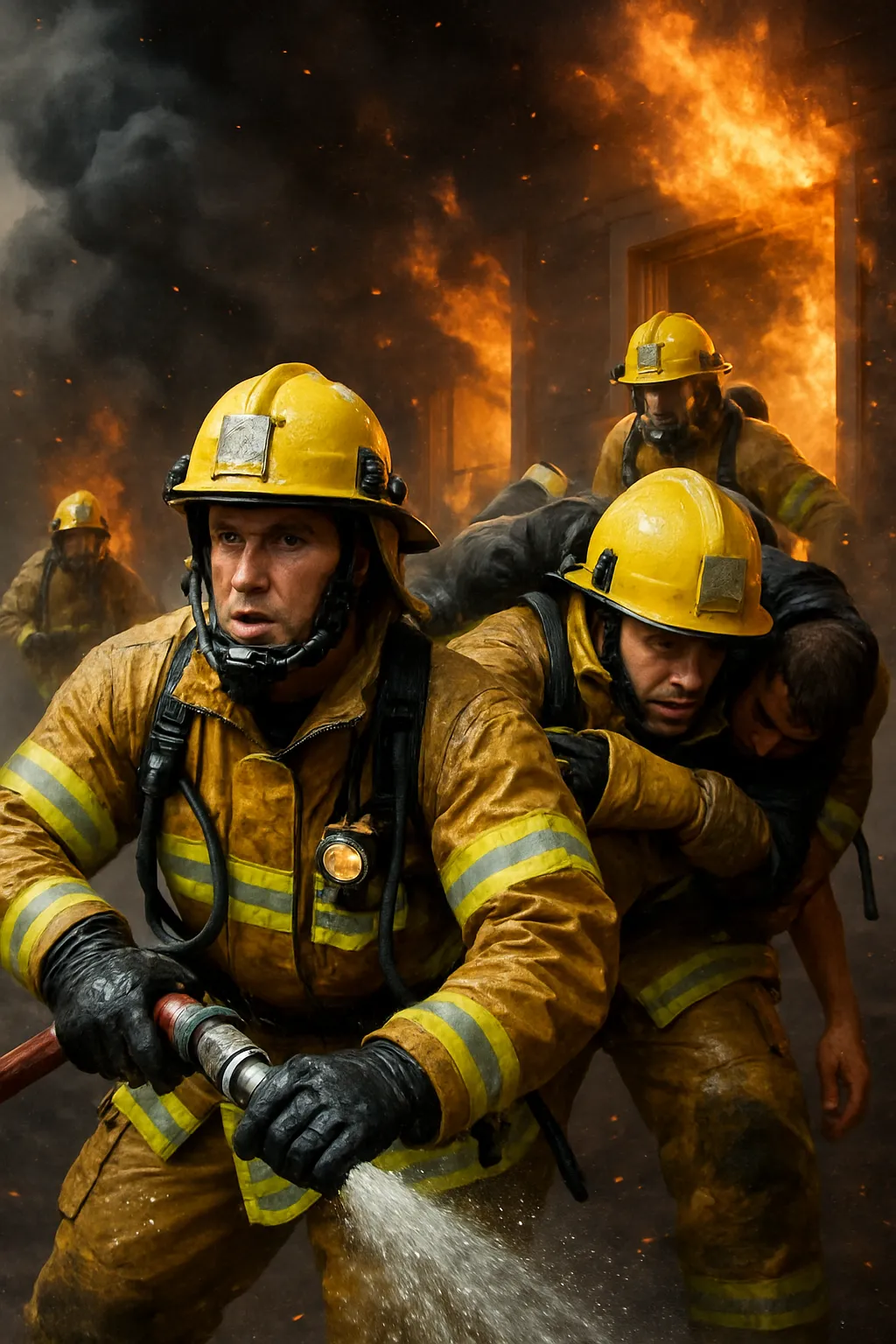
When the fire alarm blared at Gabriel House in Fall River, the reality of the emergency was immediate and overwhelming. Residents, many elderly and vulnerable, were just getting ready for bed. Suddenly, their world filled with smoke, panic, and the desperate need for rescue. In the chaos, the firefighter rescue efforts became a lifeline—one that would test the limits of courage and endurance.
Research shows that the fire department response was nothing short of massive. Fifty firefighters rushed to the scene, with thirty arriving off-duty—an extraordinary show of community commitment. These weren’t just professionals on the clock; they were neighbors, friends, and family, answering the call when it mattered most. You can almost picture it: men and women, some still in street clothes, grabbing gear and running toward the flames.
The rescue operations unfolded with a mix of urgency and improvisation. Dramatic video from that night shows firefighters swarming the building, ladders propped against windows, and shouts echoing through the smoke. Some responders climbed ladders to reach residents trapped on upper floors. Others charged into smoke-filled corridors, sometimes without the protection of air tanks. One firefighter recalled, “I went in. I didn’t have an air tank or anything.” The risks were staggering, and exhaustion set in quickly.
For those inside, the terror was real and personal. Imagine your own parent or grandparent waiting by a window, hoping for help. Albert Almanza, a resident, described the moment:
"I yelled help, help, help, and the firemen came up the ladder, broke the window, and got me out and carried me down the ladder."
The elderly residents rescue was complicated by the building’s layout and the residents’ mobility issues. Many were wheelchair-bound or dependent on oxygen. The sprinkler system activated, but thick smoke remained the greatest hazard. Firefighters kicked in doors, searching room after room. Sometimes, they found empty beds. Other times, they found residents in desperate need of help.
Despite their heroic actions, five firefighters were injured in the fire emergency response. All were later released from care, but the dangers they faced were clear. Quick action by first responders is credited with preventing even greater loss of life. Still, the toll was heavy: nine residents lost, dozens hospitalized, and a community left reeling.
By the next day, Gabriel House stood silent—its windows boarded, its halls empty. Survivors and families faced the aftermath, grateful for the bravery shown but forever changed by what happened in those smoke-filled moments.
A Night That Won’t Fade: The Community Impact and Emotional Cost
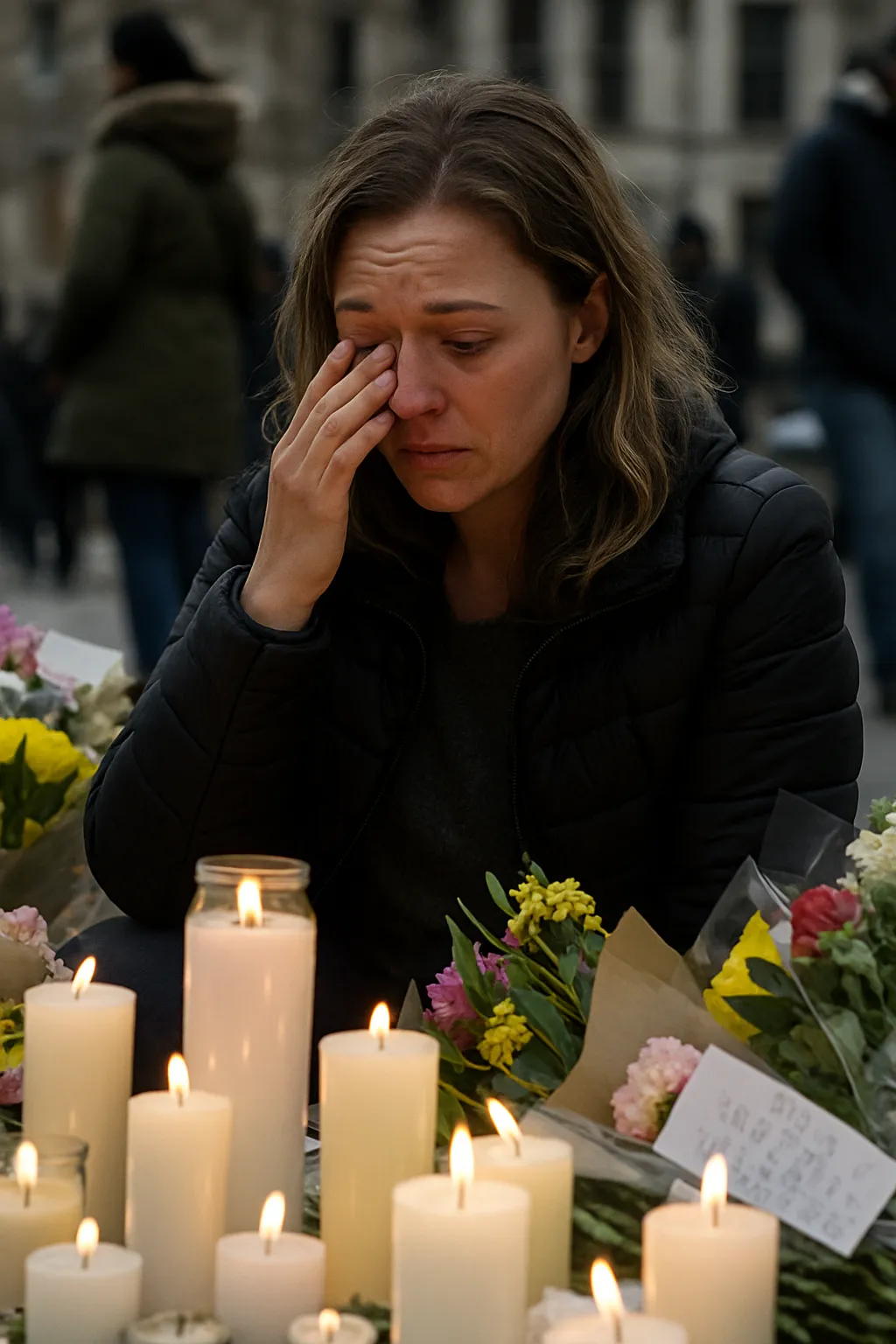
When disaster strikes, it’s the ordinary things you miss first. For the residents of Gabriel House, the impact of the fire on residents was immediate and overwhelming. In a matter of minutes, the place they called home—filled with clothes, medication, treasured photos, and lifelong friends—was reduced to boarded-up windows, doors wrapped in caution tape, and a haunting silence. By dusk on Monday, the devastation was clear. Survivors stood outside, watching as everything familiar disappeared behind yellow tape.
You can’t prepare for the emotional cost of losing not just your possessions, but your sense of safety and community. Many residents lost everything. Some lost friends they had known for years. One family member, speaking about Brenda Hurley, shared the heartbreak: burns covered half her body, and her loved ones waited for news, not knowing if she would make it. “It’s devastating. And I just think through what these people went through,” a witness said, echoing the shock felt by so many fire victims and survivors.
The community impact goes far beyond the physical loss. Gabriel House was more than an assisted living facility; it was a network of relationships, a place where people looked out for each other. When a single home burns, neighbors often rally with casseroles and comfort. But when an entire building is lost, the scale of grief and need is almost impossible to grasp. Residents displaced by the fire found themselves suddenly without homes, forced to navigate a new world of uncertainty.
A shelter was quickly established for those displaced. The Red Cross stepped in, offering support, blankets, and a place to sleep. But the trauma lingers. Families now face the challenge of rebuilding not just their lives, but their community. As one survivor put it, “They both tell me every day they love me, and I tell them I love them.” The bonds formed inside Gabriel House are now tested in ways no one could have imagined.
Governor Mara Healy’s visit brought a moment of recognition. She praised the first responders who risked their lives to save others, but she also acknowledged the devastation left behind. Research shows that the emotional toll of such disasters can last long after the smoke clears. The entire assisted living population was displaced, and while shelter and Red Cross involvement offered immediate relief, the ongoing trauma is a stark reminder of how quickly a community can be ripped apart.
For the fire victims and survivors, the journey forward is uncertain. The loss is not just about things—it’s about people, memories, and the invisible threads that tie a community together.
Searching for Answers: Ongoing Fire Investigation and Safety Reckonings
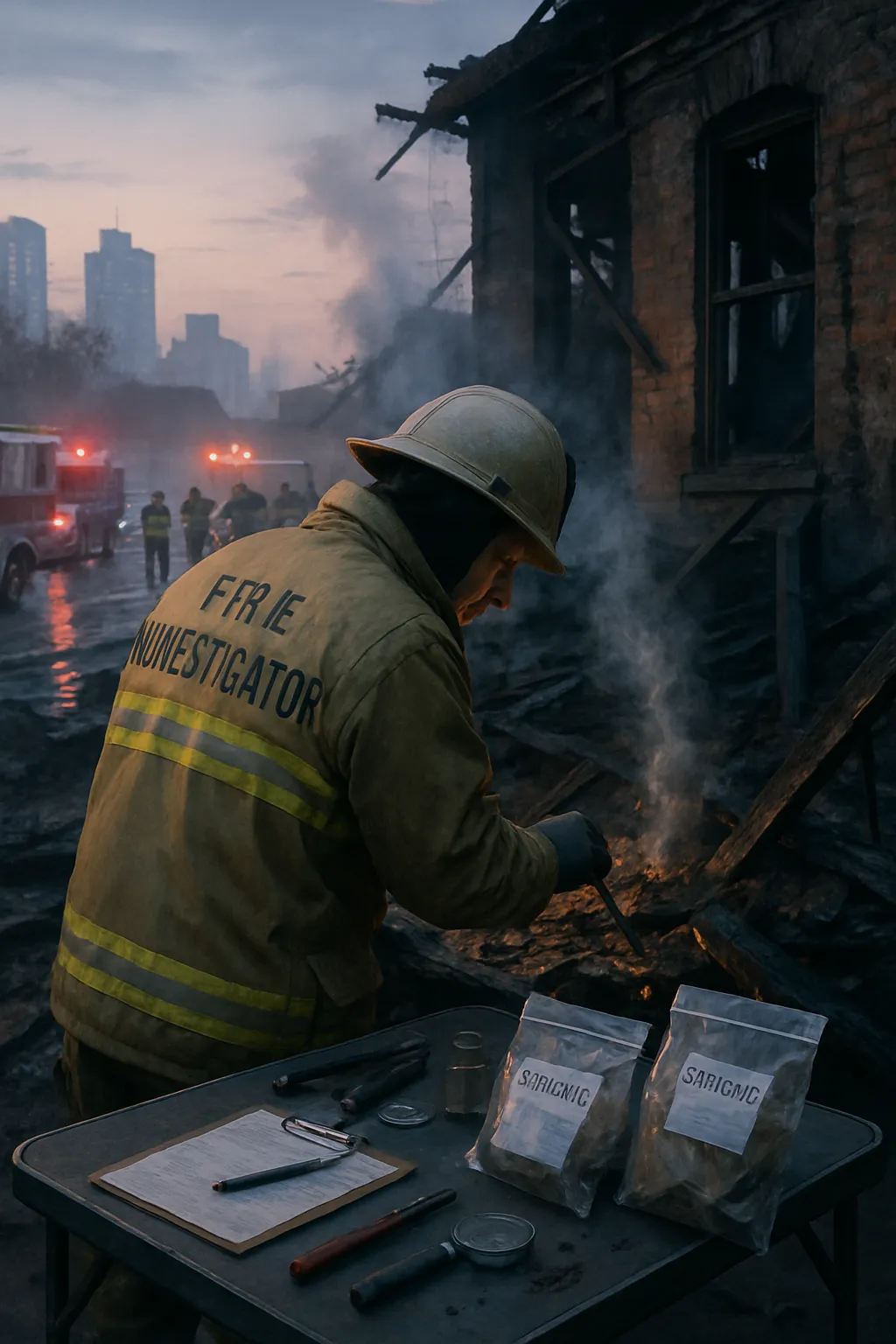
When a fire tears through a close-knit community like Gabriel House, the questions come fast and the answers, if they come at all, arrive slowly. You can sense the urgency in Fall River as state and local authorities dig into the fire investigation, hoping to uncover what truly sparked the tragedy on July 13, 2025. The state fire marshal is leading the fire cause investigation, but tonight, the community is left with more questions than answers.
The facts are stark: The blaze began around 9:30 p.m., quickly engulfing the assisted living facility. Despite the presence of fire safety measures—sprinklers, smoke detectors, and a functioning alarm system—the fire still became one of the deadliest in Massachusetts in years. Residents, many elderly and vulnerable, were trapped as smoke and flames spread. Firefighters rushed in, rescuing dozens, but nine lives were lost and more than 30 people were injured, including five firefighters. All injured firefighters have since been released from the hospital, but the scars remain.
As the fire investigation continues, the spotlight is on fire code compliance. Did Gabriel House meet all the requirements? Were there fire code violations that could have contributed to the disaster? The systems designed to protect—sprinklers and alarms—did activate, but the outcome was still devastating. One resident shared,
"Residents tell us they saw the sprinkler system turn on through this, but tonight it's unclear how it all started."That uncertainty is what haunts so many tonight.
You might wonder why closure is so elusive after a disaster like this. Part of the answer lies in the tension between what’s supposed to work on paper and what happens in the chaos of a real emergency. Research shows that even when fire safety measures in assisted living facilities are up to code, the unique challenges of evacuating elderly, wheelchair-bound, or oxygen-dependent residents can overwhelm the best-laid plans.
Public scrutiny is mounting. Gabriel Care, the facility’s owner, and Dennis Etzkorn, listed as the owner, have not responded to requests for comment. Pressure is building on management to explain what went wrong and what could have been done differently. There’s also a wild card in this story—what if emergency services had more funding? Firefighters and first responders have quietly suggested that with more resources, outcomes might have been different.
Tonight, the fire investigation in Fall River presses on. The community waits, hoping for answers that might bring some measure of understanding, if not peace. For now, the only certainty is that the tragedy has forced a hard look at fire safety measures in assisted living and the systems meant to protect those most at risk.
The Fragility of Home: Lessons from Gabriel House for Our Future
Tonight, as you reflect on the aftermath of the Gabriel House assisted living facility fire, the reality of what unfolded in Fall River becomes painfully clear. The boarded-up windows and doors, the caution tape, and the stories shared by survivors all point to a single truth: home can be far more fragile than we ever imagine, especially for our most vulnerable neighbors. This was not just another assisted living facility fire—it was a tragedy that exposed the urgent need for stronger fire safety measures and a renewed commitment to protecting elderly residents.
When the fire broke out, most residents were preparing for bed. Many were wheelchair-bound or dependent on oxygen, making a quick escape nearly impossible. You hear the voices of people like Albert Almanza, who described being trapped and enveloped in smoke, saved only by the swift response of firefighters. These first responders—fifty in total, including off-duty personnel—risked everything, carrying residents to safety, braving smoke-filled corridors, and kicking in doors in search of survivors. Their heroism was undeniable, but as the loss of nine lives shows, sometimes courage alone is not enough.
The Gabriel House fire is a stark reminder that fire safety measures in assisted living facilities must be more than a checklist. Research shows that even with sprinklers and alarms in place, as was the case here, disaster can strike if systems are not robust enough or if emergency preparedness is lacking. The state fire marshal’s ongoing investigation will likely raise questions about whether current fire safety standards are truly adequate for eldercare housing. For the families of victims like Eleanor Willett and Richard Rochon, these questions are deeply personal.
You see the human cost in every interview: residents grieving lost friends, families waiting for updates on loved ones like Brenda Hurley, and a community left to pick up the pieces. The loss goes beyond possessions—clothes, medication, and money were left behind, but so were decades of memories and bonds. It’s a reminder that, for many, the only thing they could rescue was their own life.
This tragedy calls for more than just praise for heroism. It demands systemic change—better funding, tighter safety rules, and a more compassionate approach to protecting those who cannot protect themselves. As you consider your own preparedness, ask yourself: what would you save if your home was on fire? For the residents of Gabriel House, the answer was heartbreakingly simple. Sometimes, hope is the last thing boxed up. The lessons from this disaster must shape our future, ensuring that no community faces such loss again.
