
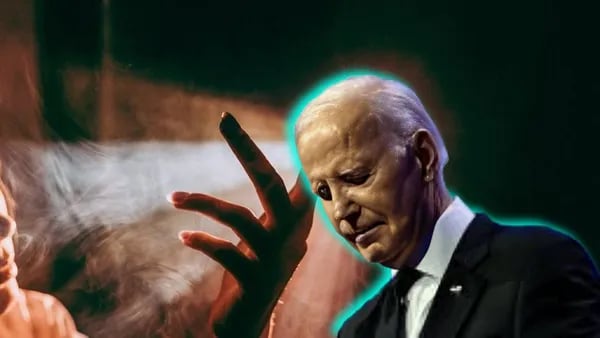


Most political dramas begin with a leak or an anonymous whisper, but sometimes the spotlight finds its subject with a literal recording. Listening to a leader search for a date—one that marks the most personal of tragedies—can make us all uncomfortable, regardless of political leanings. Hearing the Biden-Hur audio, I couldn’t help but think back to my own grandfather, sharp until his last year, yet sometimes caught off-guard by questions that felt out of place. What does it mean when the private hesitations of a president become a public spectacle? And why does this moment matter so much now, so close to another national election? Let’s unwind the political theater that unfolded, and dig into what this audio truly reveals, both inside and far outside the headlines.
Leaked Audio, New Spotlight: Why Now?
Audio Release: A Familiar Story, New Sound
On May 16, 2025, Axios published a four-minute audio clip from President Joe Biden’s interview with former special counsel Robert Hur. The interview itself wasn’t new. It happened way back in October 2023. The transcript? Released by the Biden administration in early 2024. But the sound of Biden’s voice—hesitant, searching, at times meandering—sparked something the written words hadn’t.
It’s odd, isn’t it? People had already read the transcript. But hearing Biden pause, lose his train of thought, or ask, “What month did Beau die?”—that changed the conversation. Suddenly, the debate over Biden’s cognitive abilities was back on every news site and social feed. It felt like déjà vu, but with a new urgency.
Timeline at a Glance
- October 2023: Biden, then 81, sits for a two-day interview with Hur.
- Early 2024: Transcript released by the White House.
- May 16, 2025: Axios releases the audio excerpts. Public reaction explodes.
Why Did the Audio Hit Different?
There’s something about a voice. A pause, a sigh, a moment of confusion—these don’t always jump off the page in a transcript. In the audio, Biden sometimes struggled to recall details. He paused for long stretches. When asked about classified documents, he replied, “I don’t know,” then drifted to unrelated memories, like being encouraged to run for president in 2016.
When Hur pressed about the death of Biden’s son, Beau, the president hesitated, asking for the month. It was May 30th, 2015, he eventually acknowledged, but only after help. For some, these moments felt painfully human. For others, they raised red flags about Biden’s memory and fitness for office.
Mixed Reactions: Doubt, Defense, and Disbelief
- Skeptics: Critics seized on the audio as proof of decline. Headlines questioned Biden’s ability to serve. The timing—just as the 2024 election’s wounds were still raw—added fuel.
-
Defenders: Biden’s aides pushed back hard. They argued the audio was nothing new. As spokeswoman Kelly Scully put it,
“The audio does nothing but confirm what is already public.”
- The Public: Many Americans were left wondering: Does hearing a pause mean more than reading one? Is a lapse in memory at 81 so unusual? Or is it something else—something political—at play?
Hur’s Words, Lasting Impact
Hur’s final report didn’t charge Biden with a crime. But his description stuck: Biden was “a sympathetic, well-meaning, elderly man with a poor memory.” That phrase became a headline, a meme, a talking point for both sides. Was it fair? Or just political theater?
Political Fallout and Party Lines
- Republicans: Used the audio to press their impeachment inquiry, demanding more evidence and questioning Biden’s capacity.
- Democrats: Braced for impact. Some top figures faced uncomfortable questions. Others tried to shift focus back to policy and away from personality.
Even former President Trump weighed in, saying, “I know people that are 89, 90, 92, 93 years old and are literally perfect. But Joe was not one of them, and they did a lot of hiding.”
So, why now? Maybe it’s the power of audio. Maybe it’s election fatigue. Or maybe, it’s just that in politics, every old story can feel new again—if it’s told the right way.
Memory Lapses in the Hot Seat: Media, Public, and Personal Reactions
Biden’s Memory Under the Microscope
The release of audio from President Biden’s interview with special counsel Robert Hur did more than just fill headlines. It put raw, unfiltered moments on display—moments that, for many, hit uncomfortably close to home. In the four-and-a-half-minute excerpt, Biden stumbled over facts both mundane and deeply personal. The most striking? He paused and asked, “What month did Beau die?” about his own son. The answer—May 30, 2015—came only after a moment of silence and some help.
It wasn’t just the date. When Hur pressed about where Biden stored documents after leaving the vice presidency, the president hesitated, then drifted off-topic. He admitted, “I don’t know,” before talking about being encouraged to run for president in 2016. These lapses, though brief, were enough to spark a political firestorm.
Allies Push Back—Was It Fair?
- Weaponizing emotion: Biden’s supporters quickly accused Hur’s report of exploiting a vulnerable, emotional moment. They argued that highlighting the struggle to remember Beau’s death was unfair, even cruel.
- Context matters: The interview spanned five hours over two days. Only a few minutes were released, focusing on Biden’s roughest patches. Would anyone fare better if their lowest moments were played on loop?
Some Democrats said the audio offered nothing new. Kelly Scully, a Biden spokesperson, insisted, “The transcripts were released by the Biden administration more than a year ago. The audio does nothing but confirm what is already public.” But the public, and the media, weren’t so quick to move on.
Media Frenzy and the Book That Fanned the Flames
- Media outlets: CNN and Axios dissected the audio, replaying Biden’s pauses and missteps. The coverage reignited debates about his fitness for office—debates that had simmered since Hur’s initial report described Biden as “a sympathetic, well-meaning, elderly man with a poor memory.”
- Book release: The upcoming book Original Sin: President Biden’s Decline, Its Cover-Up, and His Disastrous Choice to Run Again by Jake Tapper and Alex Thompson poured gasoline on the fire. The book promises more details and fresh angles on Biden’s mental acuity, adding fuel to already heated discussions.
The timing couldn’t be worse for the White House. With the 2024 election still fresh in memory, and the next cycle already looming, every slip is magnified.
What If the Tables Were Turned?
It’s a question that lingers: What if every leader’s hardest moments were broadcast on repeat? Would any politician, or even any ordinary person, come out looking strong? Memory can falter under pressure. Five hours of questioning, two days, and the weight of history—maybe it’s not so surprising.
Political Reactions and the Never-Ending Debate
- Republican response: The GOP seized on the audio, using it to bolster their impeachment inquiry and paint a picture of decline.
- Democratic unease: Some top Democrats, especially those eyeing future races, faced tough questions about what they knew and when.
Biden himself, now 82, pushed back on the narrative. On ABC’s “The View,” he declared,
“There is nothing to sustain that.”
Still, the debate rages on. The audio, the book, and the endless analysis have ensured that Biden’s memory—and what it means for his presidency—remains a central topic, both in Washington and around kitchen tables across the country.
Political Theatre: Contempt, Privilege, and the Election Stage
The Hur interview audio did more than just fill headlines. It set the stage for a political drama that’s still unfolding. The script? Part impeachment, part succession planning, part old-fashioned mudslinging. No one seems eager to exit stage left.
Republicans Seize the Moment
Republicans wasted no time. The audio, now public, became their main prop in the impeachment inquiry against President Biden. They demanded both the transcript and the raw audio from the Department of Justice (DOJ). The transcript came out first, but the audio—well, that’s where things got complicated.
Executive Privilege and Contempt
President Biden’s team drew a line. They claimed executive privilege over the audio, saying it was sensitive and shouldn’t be released. This legal tool lets a president keep certain communications private, especially if they involve national security or sensitive advice. But to Republicans, it looked like stonewalling.
The House responded by holding Attorney General Merrick Garland in contempt for refusing to hand over the audio. The DOJ, however, declined to prosecute Garland. No surprise there—charging the sitting Attorney General for following the president’s orders? That would have been a political earthquake.
Trump’s Commentary: Theatrics and Critique
Former President Donald Trump couldn’t resist jumping in. He drew his own comparisons, saying, “I know people that are 89, 90, 92, 93 years old and are literally perfect. But Joe was not one of them, and they did a lot of hiding. They were really playing games. And, you know, you can’t do that. Our country’s at stake.”
Trump’s remarks, as usual, were blunt. He accused Biden’s team of covering up the president’s condition, suggesting the real issue wasn’t the documents, but Biden’s memory lapses and fitness for office. It was a classic Trump move—shift the focus, raise the stakes, and leave the audience wondering what’s next.
Democrats in the Hot Seat
Democratic leaders and would-be 2028 presidential hopefuls found themselves facing tough questions. Did they know more about Biden’s condition than they let on? Were they preparing for a post-Biden era? The party’s top brass tried to change the subject, eager to move past the age debate and focus on policy—or at least on beating Trump.
But the questions kept coming. Some Democrats dodged. Others offered lukewarm support. The upcoming book by Jake Tapper and Alex Thompson, “Original Sin,” only added fuel, hinting at deeper concerns within the party about Biden’s fitness and the risks of running again.
The Broader Stage
The Hur interview audio, the transcript, and the political fallout all point to a bigger story. It’s not just about classified documents or executive privilege. It’s about power, perception, and the relentless nature of American election cycles. Each party is playing to its base, hoping to control the narrative.
The DOJ’s refusal to prosecute Garland for contempt underscored just how much of this is political theatre. Both sides know the stakes. For Republicans, it’s about weakening Biden before November. For Democrats, it’s about holding the line and keeping the focus on Trump’s own controversies.
Conclusion: The Curtain Stays Up
As the dust settles, the Hur audio has become more than evidence—it’s a symbol. A symbol of how every detail, every pause, every word can be weaponized in today’s political arena. The debate over Biden’s memory, the use of executive privilege, and the looming questions about succession will keep echoing long after the headlines fade. The curtain hasn’t fallen yet. In fact, the next act may be even more dramatic.
