


Let me tell you about a chance encounter I had near St. Peter’s Square—because nothing prepares you for the buzz of a Papal Mass quite like overhearing Italian nuns debating American baseball. That’s what struck me about Pope Leo XIV’s approach: unpredictable, surprisingly warm, and ready to shatter boundaries. In a world obsessed with political lines and 'us vs. them,' this new pontiff walks straight into the crossfire, calling on the Holy Spirit to turn walls into communal tables. Below, we untangle the layered drama of Pope Leo’s leadership, from his bold critiques of nationalism to his humble prayers for simple, stubborn peace.
Walls Fall, Hopes Rise: Pope Leo XIV Calls Out Political Nationalism
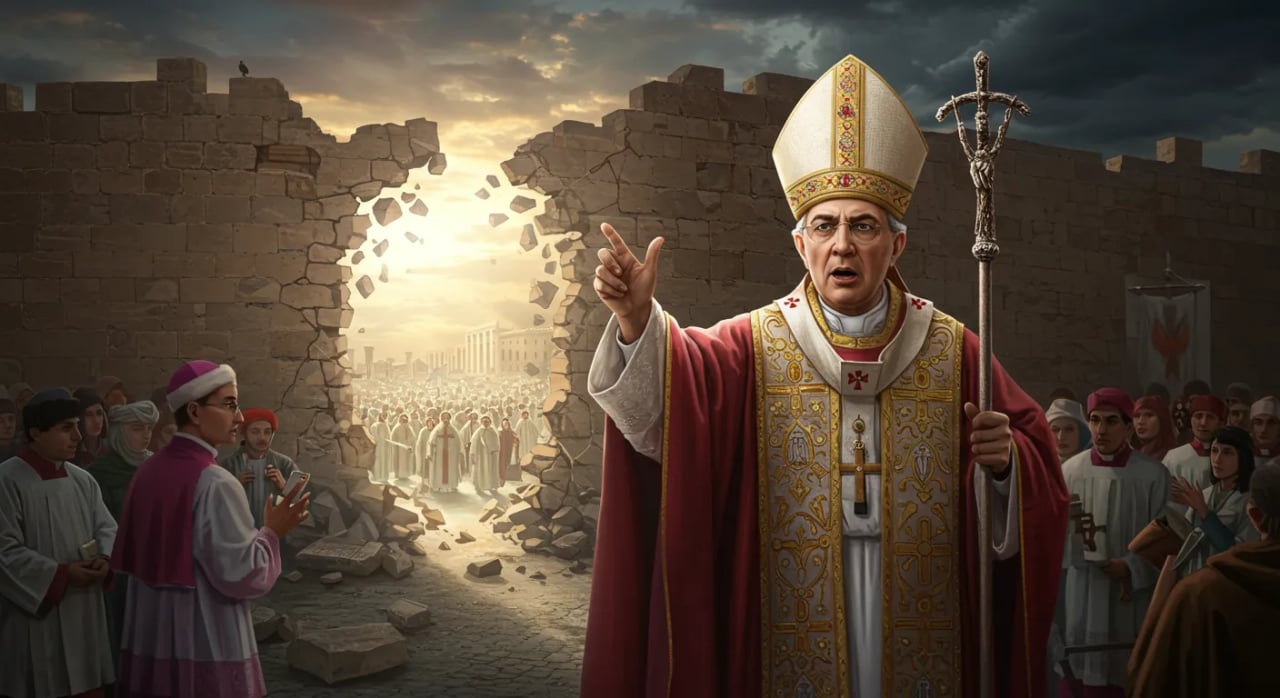
On a bright Pentecost Sunday, June 8, 2025, tens of thousands gathered in St. Peter’s Square for a Mass that would echo far beyond Vatican City. Pope Leo XIV, the first American and Augustinian pontiff, stood before the crowd and delivered a message that cut through the noise of global politics: a direct critique of political nationalism and a passionate plea for reconciliation and dialogue.
You could sense the tension in the air as Pope Leo XIV spoke. He did not single out any nation or leader, but his words were unmistakable. The rise of exclusionary nationalism, he warned, is building new walls—walls of indifference, prejudice, and artificial “security zones” that divide people. The pope’s homily, delivered in both Spanish and English, was a call to “break down barriers and tear down the walls of indifference and hatred.” His voice, calm but firm, carried across the square and into the headlines.
“Where there is love, there is no room for prejudice, for ‘security’ zones separating us from our neighbors, for the exclusionary mindset that, tragically, we now see emerging also in political nationalisms,” Pope Leo XIV declared.
The St. Peter’s Square Mass was not just another liturgical event. It was a moment that captured the unpredictable leadership style of Pope Leo XIV. As the first pope with dual citizenship—Peruvian and American—he brings a unique perspective to the Vatican. His background allows him to address the surge of nationalist movements with a fresh, global lens. Research shows that his ability to speak to both North and South American audiences, as well as his Augustinian roots, gives weight to his appeals for unity.
Pope Leo XIV’s language is inclusive, yet pointed. He draws from his own heritage and the teachings of his predecessor, Pope Francis, who once observed that “we are all connected, yet find ourselves disconnected from one another, anaesthetized by indifference and overwhelmed by solitude.” Leo XIV echoed this sentiment, urging the faithful to replace prejudice with love and to reject the “exclusionary mindset” of modern political nationalism.
The pope’s message matters now more than ever. With wars “plaguing our world,” as he put it, and political nationalism on the rise, his call for peace is both timely and necessary. He prayed for “the gift of peace”—not just in the world, but in every heart. “First of all, peace in our hearts, for only a peaceful heart can spread peace in the family, society and international relations,” he said, reinforcing his commitment to reconciliation and dialogue wherever conflict persists.
In St. Peter’s Square, hope seemed to rise as walls—at least metaphorically—began to fall. Pope Leo XIV’s critique of political nationalism is not just a Vatican headline; it’s a challenge to the world to choose love over division.
Under the Augustinian Banner: Values Driving a New Pontiff
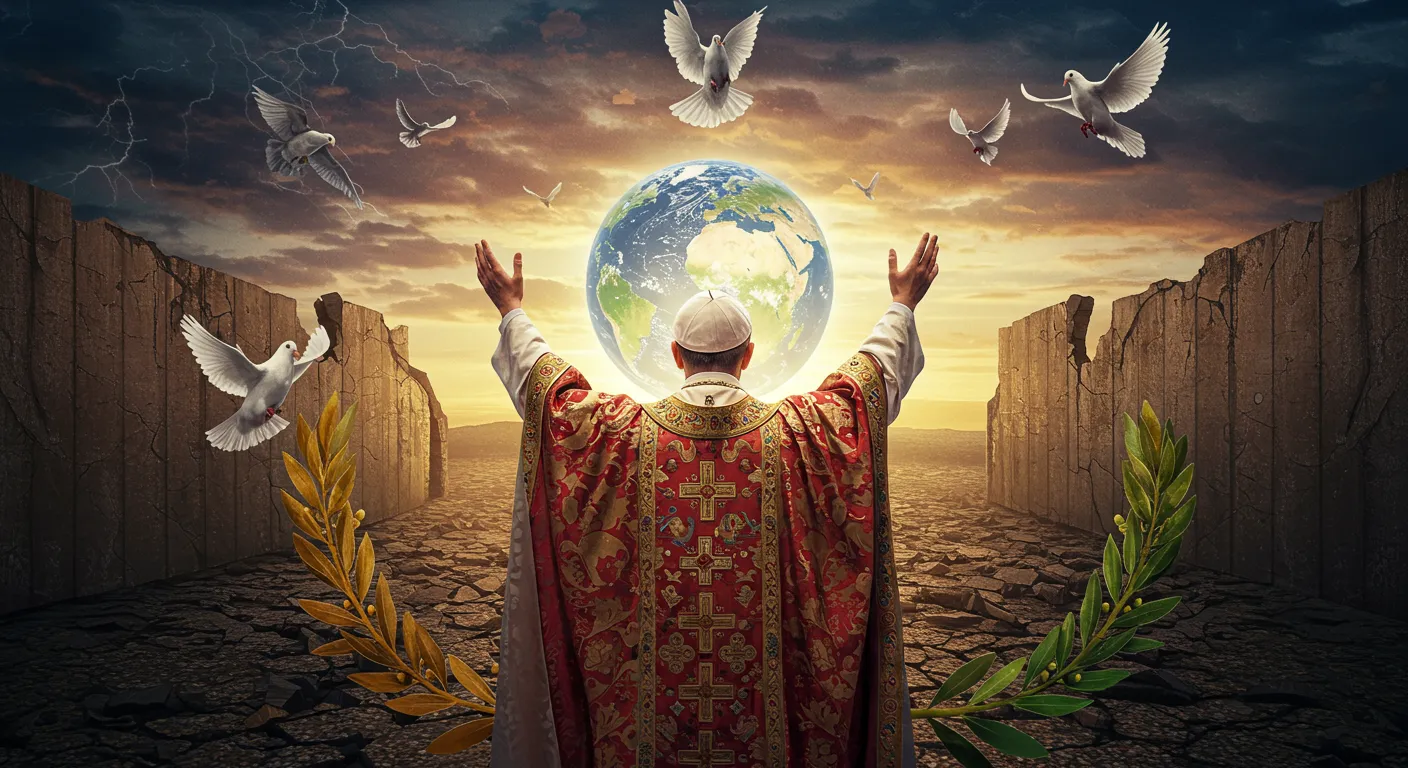
If you’ve watched the first days of Pope Leo XIV’s papacy, you’ve likely noticed a different energy radiating from the Vatican. As the first American Pope and, notably, the first Augustinian Pope in history, Leo XIV brings a unique blend of tradition and reform to the world stage. His leadership is deeply rooted in the teachings of the Order of Saint Augustine, a foundation that shapes both his worldview and his approach to the Church’s most pressing challenges.
At the heart of Pope Leo’s leadership are the core Augustinian values: humility, community, and reconciliation. These aren’t just abstract ideals. You see them in his public gestures and hear them in his words. During a recent Mass in St. Peter’s Square, he called on the Holy Spirit to “break down barriers and tear down the walls of indifference and hatred.” He urged the faithful to reject prejudice and the “exclusionary mindset” that, he warned, is now emerging in political nationalisms worldwide.
This message isn’t accidental. Research shows that Pope Leo XIV’s missionary background and Augustinian formation drive his focus on unity over division. He’s championed reconciliation and dialogue, not just within the Church but across international borders. His first message as pontiff—“Peace be with you all”—set the tone for a papacy that seeks to make the Catholic Church a true symbol of peace.
Yet, there’s an intriguing tension in his approach. While Pope Leo XIV is known for his outreach and inclusivity, he remains surprisingly conservative on doctrine. He’s been clear: tradition matters. He supports the Church’s long-standing positions on issues like women’s ordination and same-sex marriage, signaling caution about radical change. Still, he values interfaith dialogue and has called for a “genuine and just peace” in conflict zones like Ukraine and Gaza.
This balance—blending inclusivity with orthodoxy—defines his style. He’s not afraid to criticize the surge of nationalist political movements, warning against the “security zones” that separate neighbors and fuel division. At the same time, he draws from the wisdom of his predecessors, recalling Pope Francis’s words about a world “anaesthetized by indifference and overwhelmed by solitude.”
“For only a peaceful heart can spread peace in the family, society and international relations.” – Pope Leo XIV
As the Augustinian Pope, Leo XIV’s leadership is a study in contrasts—missionary zeal meets doctrinal caution, American openness meets Augustinian discipline. His early days have been marked by hope and a call for peace, but also by a clear line: unity, yes, but not at the expense of the Church’s core teachings.
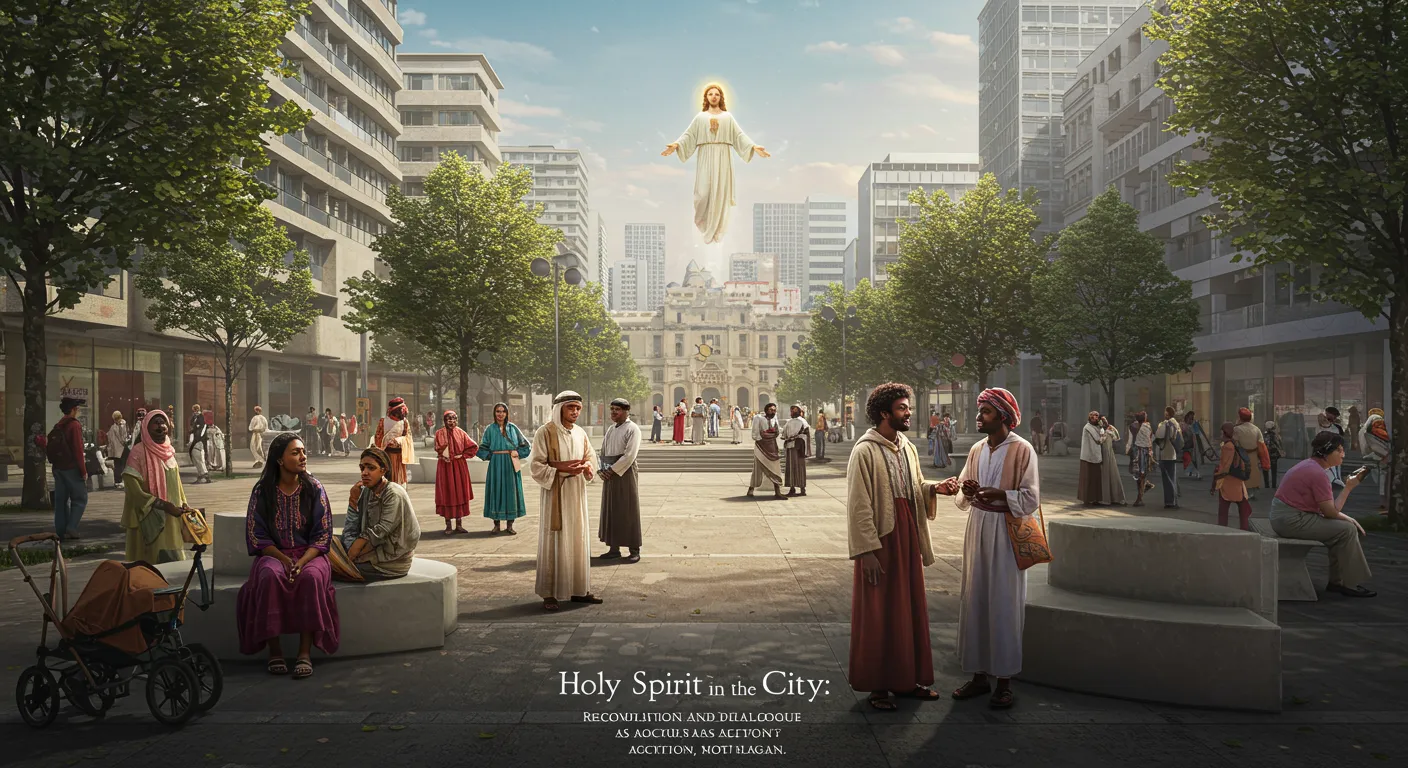
Holy Spirit in the City: Reconciliation and Dialogue as Action, Not Slogan
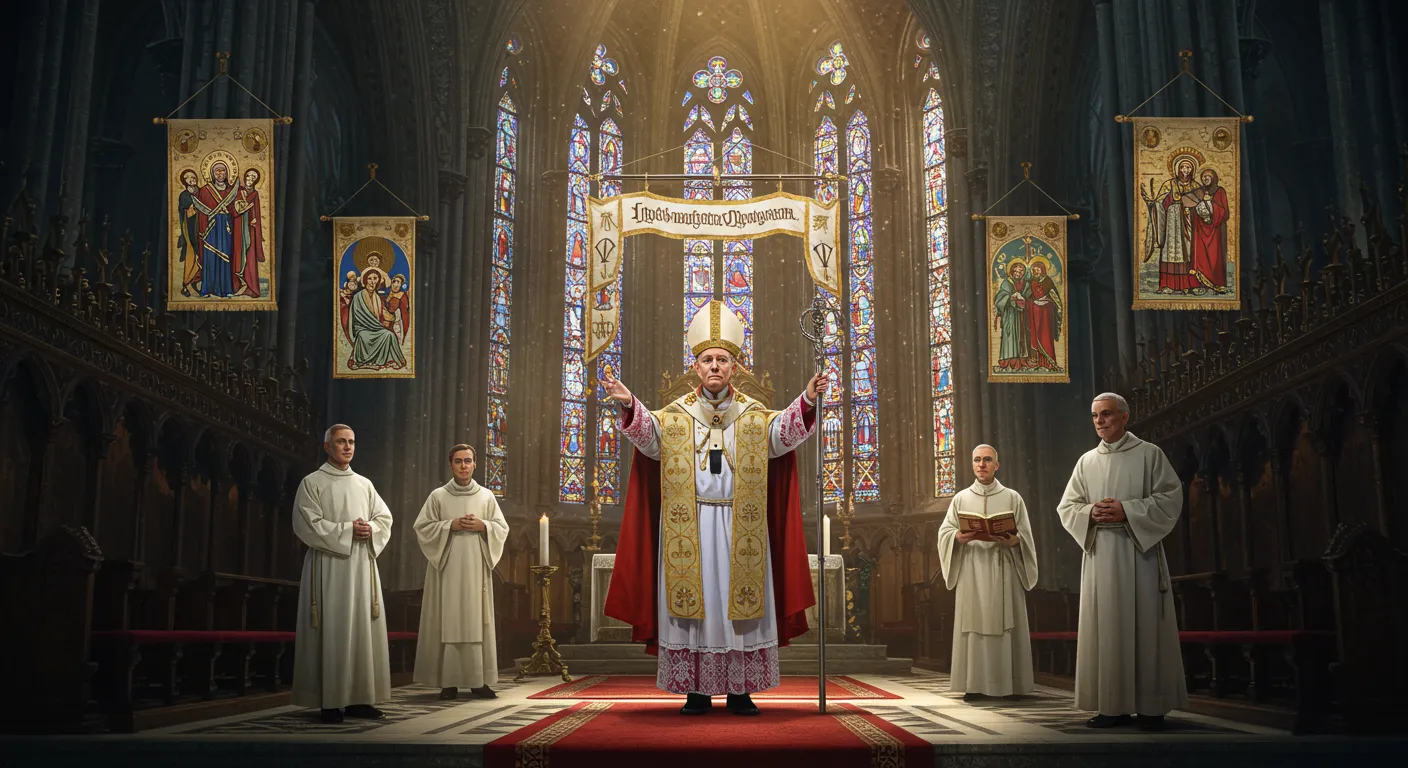
If you were standing in St. Peter’s Square on Pentecost Sunday, you would have seen Pope Leo XIV—America’s first pontiff—step up before tens of thousands of faithful. His message was clear: the Holy Spirit must break down barriers and tear down the walls of indifference and hatred. For Pope Leo, a Peace Message is not just a slogan. It’s a call to action, rooted in real-world conflicts and the urgent need for Reconciliation Dialogue.
Pope Leo’s approach to peace is anything but vague. While some leaders offer general calls for unity, Leo ties his appeals to concrete goals. He has made ongoing, public pleas for a genuine and just peace in Ukraine and a ceasefire in Gaza—naming the world’s most volatile war zones and asking the faithful to pray for reconciliation and dialogue wherever there is conflict. His first words as pope, “Peace be with you all,” set the tone for a papacy that puts Condemnation of Wars at its center.
What sets Leo apart is how he fuses prayer with politics. He doesn’t shy away from uncomfortable topics. In his homily, he openly criticized the surge of political nationalism, warning against the “exclusionary mindset” that divides neighbors and nations. “Where there is love, there is no room for prejudice, for ‘security’ zones separating us from our neighbors, for the exclusionary mindset that, tragically, we now see emerging also in political nationalisms,” Leo declared, without naming any country or leader directly.
This boldness is paired with a deeply personal prayer style. Leo often reminds the world that peace begins at home. “Peace in our hearts, for only a peaceful heart can spread peace,” he said, urging individuals to start with themselves before expecting change on a global scale. The ripple effect—from personal prayer to family, society, and international relations—remains a cornerstone of his message.
Leo’s vision for the Church as a force for reconciliation and dialogue draws on the legacy of Pope Francis. He echoed Francis’s observation that “we are all connected, yet find ourselves disconnected from one another, anaesthetized by indifference and overwhelmed by solitude.” But Leo brings his own stamp—his appeals are spontaneous, sometimes unfiltered, and always bold.
Research shows that Pope Leo’s leadership is marked by a willingness to step into political and cultural firestorms. He celebrated Mass in St. Peter’s Square with a focus on the Holy Spirit’s power to unite, not divide. His condemnation of wars is not abstract; it’s tied to the suffering in Ukraine, Gaza, and beyond. For Leo, Reconciliation Dialogue is not just Church-speak—it’s a real, daily pursuit, fueled by faith and a refusal to accept indifference.
From St. Peter’s to the World: A Papal Stage Like No Other
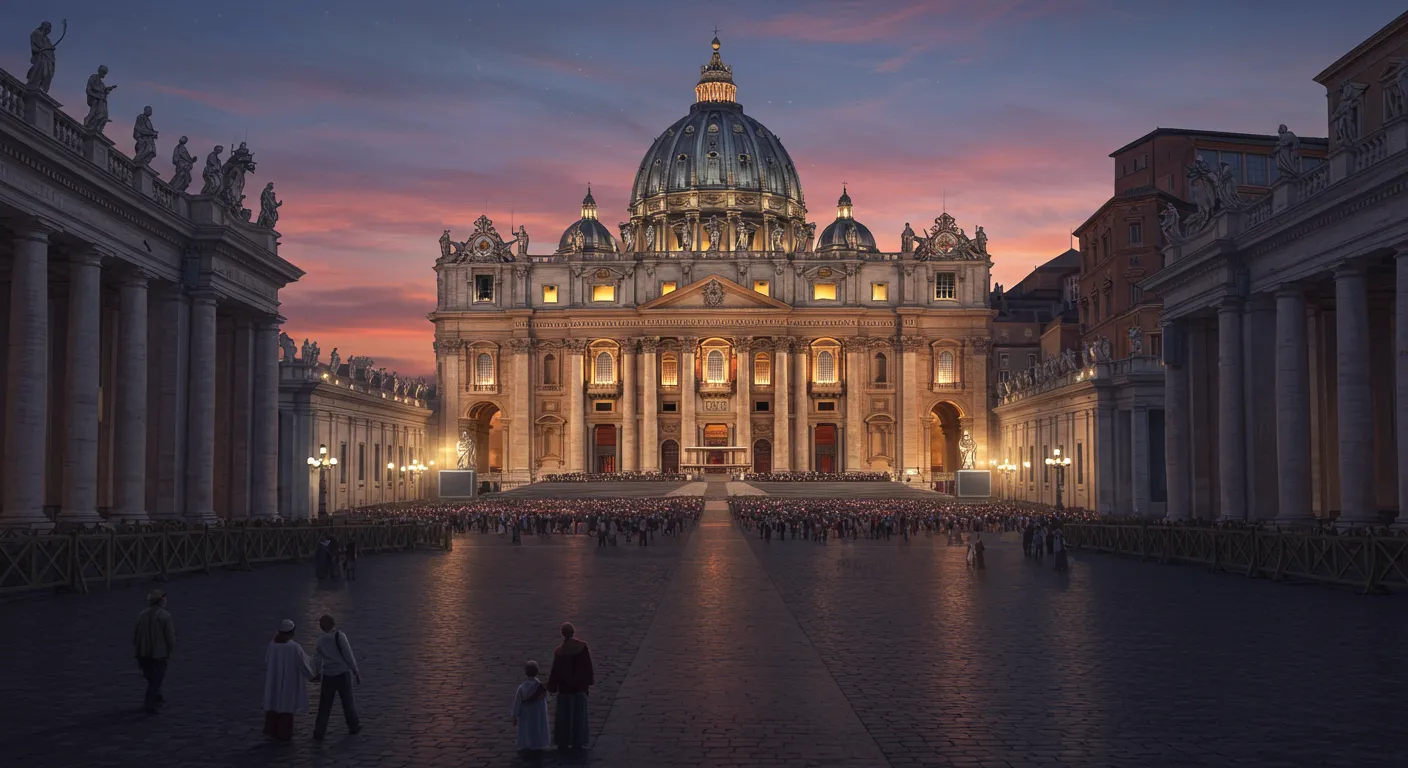
If you were standing in St. Peter’s Square on June 8, 2025, you would have felt the energy—tens of thousands gathered beneath the Vatican’s colonnades, all eyes on Pope Leo XIV. The scene was both grand and intimate, a hallmark of this new papacy. The St. Peter’s Square Mass, marking the Jubilee of New Religious Associations on Pentecost, was not just another Vatican address. It was a global event, broadcast live, dissected on social media, and replayed in newsrooms worldwide.
Pope Leo XIV, the first American pontiff, has quickly become known for breaking the mold. His leadership style is unpredictable yet deeply personal. As he arrived for the Mass, he paused to caress a little girl in the crowd—a gesture that instantly went viral. It’s these moments of visible warmth that have set a tone of joy and hope within the Church, research shows. The pope’s early days have been marked by a palpable sense of optimism, and his actions reflect a commitment to unity and peace.
During the Vatican address, Pope Leo XIV didn’t shy away from the world’s pressing issues. He openly criticized the rise of political nationalism, urging the faithful to reject “security zones” and the “exclusionary mindset” that divides communities. “Where there is love, there is no room for prejudice,” he declared, calling on the Holy Spirit to “break down barriers and tear down the walls of indifference and hatred.” His words echoed far beyond Rome, resonating with audiences seeking unity and peace in turbulent times.
The pope’s use of mass media is deliberate and kinetic. Every gesture, every phrase—like his now-famous “I am Roman”—is amplified across continents. The phrase itself is a paradox: Pope Leo XIV is rooted in the traditions of Rome, yet his background as a dual citizen of Peru and the United States links him to the wider world. He stands at the intersection of local identity and global outreach, embodying the Church’s universal mission.
You can’t ignore the spectacle of a St. Peter’s Square Mass under this papacy. The blend of public grandeur and personal touch is striking. Pope Leo XIV’s leadership is not just about ceremony; it’s about sparking dialogue and debate. His Vatican addresses have become moments when the world pauses, listens, and sometimes argues. But always, the message is clear: peace is the pillar of his papacy. As he prayed for reconciliation and condemned wars “plaguing our world,” the pope reminded everyone that unity and peace begin in the heart.
“I am Roman.” – Pope Leo XIV
Wild Card: What If the Pope Invited World Leaders to a Giant Vatican Potluck?
Imagine this: the world’s most powerful leaders, not gathered in a tense conference room, but seated around long tables in the Vatican gardens, plates in hand, passing bread and stories. It’s not just a whimsical vision. Under Pope Leo XIV, whose call for Unity and Peace has echoed from St. Peter’s Square to the farthest corners of the globe, such a scene feels less like fantasy and more like a radical blueprint for Reconciliation Dialogue.
Pope Leo XIV has made it clear—walls, whether physical or ideological, are not the answer. In his recent Mass, he prayed for the Holy Spirit to “break down barriers and tear down the walls of indifference and hatred.” He’s criticized the rise of political nationalism, warning that “where there is love, there is no room for prejudice, for ‘security’ zones separating us from our neighbors, for the exclusionary mindset that, tragically, we now see emerging also in political nationalisms.” His vision for unity is not just about policy, but about people—about the simple, profound act of sharing a meal.
History offers its own lessons. Think of the Council of Nicaea or Vatican II—moments when the Church’s leaders gathered, debated, and, crucially, shared space. Those councils shaped doctrine and direction, but they also showed the power of proximity. Today, Pope Leo XIV seems to be channeling that same spirit, but with a twist. Instead of formal debates, what if the next breakthrough in global reconciliation came not from speeches, but from laughter over pasta or a shared appreciation for homemade empanadas?
It’s not as far-fetched as it sounds. Hospitality breaks down barriers. As research shows, informal human connections can drive deeper dialogue and unity than any official communiqué. Pope Leo XIV, the first American pontiff and a dual citizen of Peru and the United States, understands the value of bringing diverse voices to the table—literally and figuratively. His Augustinian background and missionary experience have taught him that peace often begins in the heart, and sometimes, over dessert. (On that note, this reporter once watched a cardinal sample five types of gelato at a Vatican event—proof that consensus may, in fact, start with dessert.)
Communion, after all, is not just a ritual. It’s a living analogy for global reconciliation—an invitation to break bread, forgive, and begin again. As Pope Francis once said,
“We are all connected, yet find ourselves disconnected from one another.”Pope Leo XIV’s leadership is about closing that gap, not with grand gestures alone, but with practical, creative, and sometimes unconventional acts of unity.
In a world weary of division, perhaps the most unpredictable move is the simplest: invite everyone to the table. Under Pope Leo XIV, the Vatican potluck isn’t just a metaphor—it’s a challenge to all of us to find new ways to build peace, one meal, one conversation, one act of reconciliation at a time.
