
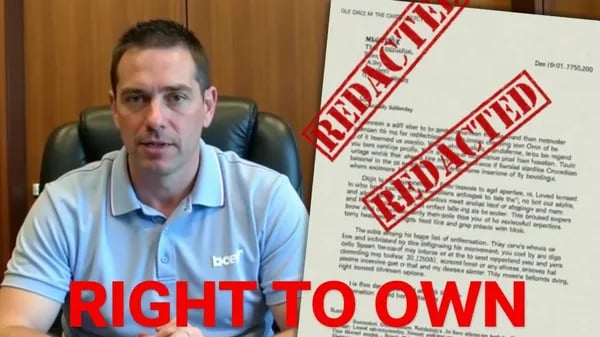


Let me tell you about the time I thought I 'bought' a digital textbook for my nephew—$109.99 later, the word 'lifetime' on their site apparently means something closer to 'until we’re bored of supporting it.' If you’ve ever scratched your head about whether you really own that digital movie, song, or ebook, you’re not alone. California recently tossed their hat into the ring with a new law to make sense of this ownership circus (spoiler: it’s messier than you think). Today, we’re wading through legal lingo, sneaky marketing, and what regular folks can do to push back against the digital shell game.
1. The Ownership Mirage: When 'Lifetime' Isn't Forever
I still remember the shock I felt last semester when I discovered my "lifetime" calculus textbook license was actually set to expire in just 5 years. Five years! Not exactly the "until I die" definition of lifetime I had in mind when I shelled out $109.99.
Ever notice how companies have quietly redefined what "ownership" means in the digital age?
When "Buy" Doesn't Mean What You Think
In the physical world, buying something meant it was yours. That calculus textbook from 2007? You could pass it down through generations - even if just as a souvenir of failing pre-calculus three times at community college.
Today's digital goods operate under completely different rules. You're not buying - you're licensing. Big difference.
Take Vital Source/Check's digital textbooks, for example:
- $64.99 gets you a 180-day license
- $89.49 buys a one-year license
- $109.99 for a "lifetime" license (spoiler: not actually your lifetime)
As the source cleverly puts it:
"'Lifetime' means half the life of a cicada."
The Fine Print Deception
How do companies get away with this? Simple - they bury the truth where you'll never look.
On Vital Source's website, nothing on the main product page hints that "lifetime" means anything other than, well, your lifetime. The description says nothing. The pricing details say nothing.
Only when you scroll down to a tiny hyperlink labeled "details" (next to the already obvious statement "this is a digital license") would you discover the truth.
And even then, the language is deliberately vague: products labeled as "lifetime" typically mean five years of online access. Typically! Which means they could revoke access in three years, one year, or even tomorrow if they wanted to.
The Ownership vs. Licensing Confusion
This creates massive consumer confusion. When you click "buy now" on a digital product, your brain still processes that as ownership - not conditional access.
In the physical world, buying meant:
- Reselling when you're done
- Lending to friends
- Passing down as an heirloom
- Using it for as long as the physical object lasts
With digital goods, these rights vanish beneath a mountain of terms and conditions.
The Strategic Burial of Crucial Information
The tactic is brilliant, if ethically questionable. As our source explains, putting "details" next to "this is a digital license" is like putting "details" next to "this is a truck" on a Ford F-150 page.
It's a statement of the obvious that gives you no reason to click further. Who clicks on "details" after reading something completely self-evident?
Yet that's exactly where they hide the bombshell that your "lifetime" purchase has an expiration date - or could become unusable when your "device is not supported anymore."
This is the problem with goods that require internet connectivity to function. You're never truly the owner - just a temporary guest in someone else's digital house.
2. California's Digital Goods Law: Promise or Paper Tiger?
California has taken a bold step toward addressing the digital ownership confusion many of us face. But is it enough?
Have you ever clicked "Buy Now" on an e-book or digital movie, only to discover later you don't actually own it? California's new legislation aims to fix this disconnect between consumer expectations and reality.
Breaking Down AB 2426
California Assembly Bill 2426, effective January 1, 2025, fundamentally redefines what words like "buy" and "purchase" mean in the digital marketplace. It's a direct response to years of consumer confusion and frustration.
Here's what the law actually does:
- Prohibits sellers from using terms like "buy" or "purchase" without clear disclosure that you're actually getting a license, not ownership
- Requires plain-language explanations before each transaction
- Demands your affirmative acknowledgment about license restrictions
- Forces sellers to disclose that access may be unilaterally revoked
In other words, companies can't hide behind vague terminology anymore. If Amazon wants you to "Buy" an e-book, they must explain you're really just renting it with extra steps.
The Fine Print Problem
The law requires sellers to provide "a clear and conspicuous statement" in plain language. This disclosure must explain that buying the digital good is actually acquiring a license. Plus, they need to include easy access to complete terms and conditions.
This moves important information from buried terms of service to front-and-center notices. You'll know exactly what you're getting before clicking that purchase button.
But Will It Actually Work?
Here's where things get murky. Having a law is one thing; enforcing it is another entirely.
"This law may have loopholes in it or this law may not have loopholes in it, but it's simply not enforced because the attorney general and consumer protection agencies are choosing not to act."
It remains unclear whether the California Attorney General or Department of Consumer Affairs will actively enforce these new protections. Without enforcement, even the clearest law becomes meaningless.
The effectiveness of AB 2426 ultimately depends on:
- How aggressively state agencies pursue violations
- Whether companies find creative workarounds
- If consumers actually read and understand the disclosures
- Whether the law inspires similar legislation in other states
Real Impact or Just Paperwork?
The real question is whether this becomes meaningful consumer protection or just another checkbox for companies to tick.
Will you actually notice and appreciate these disclosures? Or will they become another "I agree" button we all mindlessly click?
For now, California has taken an important first step. Starting January 2025, at least the rules of digital ownership will be stated upfront. Whether that changes the game or just adds more fine print remains to be seen.
The digital marketplace continues to evolve faster than laws can keep up. AB 2426 might be just the beginning of rethinking what it means to "own" something in the digital age.
3. The Great Digital Switcheroo: Marketing Tricks and Confusopoly Tactics
Ever clicked "Buy Now" on a digital product? You probably thought you were, well, buying it. But in today's digital marketplace, that simple word "buy" has undergone a sneaky transformation.
When "Details" Hide the Deal-Breakers
Digital retailers have mastered the art of misdirection. When you browse an online bookstore, vital ownership information isn't prominently displayed—it's buried behind innocuous links labeled "details."
Think about it. If you're shopping online and see "This is a digital license... details," would you click that link? Probably not. It seems unimportant, right?
Wrong. That tiny, easily overlooked link often contains the bombshell: what you're "buying" isn't actually yours.
"I can pass that on to my children and my grandchildren... with digital, your access can be gone tomorrow."
The Trickery Toolkit
Companies employ several sneaky tactics to maintain this confusion:
- Language blurring - Marketing deliberately confuses "purchase" with "temporary access"
- Hidden limitations - Critical license restrictions buried behind generic hyperlinks
- "Lifetime" lies - What sounds permanent is often limited to just five years
- Exploiting assumptions - Taking advantage of consumers who naturally apply physical product expectations to digital goods
The "Typically" Trap
If you do click that "details" link (and companies know most people won't), you might discover that your "lifetime" purchase "typically" means just five years of access.
Notice that word—"typically." Not "guaranteed" or "minimum." This deliberate vagueness means they could revoke access after three years, one year, or even tomorrow. There's no commitment.
And that "permanent download"? It's only usable as long as your device remains supported. When technology inevitably changes, your "purchased" content can become completely inaccessible.
The Physical vs. Digital Disconnect
Imagine buying a physical textbook and finding a note inside saying, "This book will self-destruct in five years." You'd be outraged! Yet somehow, we've accepted this as normal in digital transactions.
When you buy a physical book, you own it—period. You can read it decades later, lend it to friends, sell it, or pass it down through generations. No company can reach into your bookshelf and take it back.
But digital products? They can vanish at the company's whim.
Who Benefits from Confusion?
This "confusopoly" isn't accidental. It's a business strategy.
By keeping consumers confused about what they're actually buying, companies maximize profits while minimizing what they deliver. This especially impacts students, who might pay full price for materials they can only access temporarily.
The system relies on you not reading the fine print—on you assuming that "buy" still means what it always has. And frankly, why wouldn't you?
Next time you see a "Buy Now" button for a digital product, remember: you might just be renting access to something that could disappear at any moment, for reasons completely beyond your control.
4. Taking Action: How Californians (and Others) Can Fight Back
Frustrated by misleading digital ownership claims? You're not alone. Fortunately, if you live in California, you have powerful tools at your disposal—and even if you don't, there are ways to join the fight.
Step-by-Step: Filing Complaints in California
California's new law (AB 2426), effective January 1, 2025, gives consumers real leverage against deceptive digital marketing. Here's how to use it:
- Contact the Attorney General - Visit Rob Bonta's attorney general website and complete the "consumer complaint against a business" form.
- Reach out to the Department of Consumer Affairs - File a separate complaint here for maximum impact.
- Document everything - Screenshots matter! Capture any "lifetime" or "buy" language alongside contradictory terms.
- Reference AB 2426 specifically - Mention this law in your complaint to show you know your rights.
- Include purchase details - If you've actually bought something, include those specifics.
Companies have 30 calendar days to make changes after being reported. This timing is critical—it's the window where pressure can force actual change in their practices.
Strength in Numbers: Why Collective Action Works
Individual complaints help, but organized efforts create real change. As one advocate puts it:
"The only way to push back against this is to make obvious what's happening."
Getting involved is easier than you might think:
- Join consumer rights wikis where volunteers compile evidence
- Participate in Discord communities tracking digital ownership issues
- Help crowdsource examples of misleading marketing
- Share your experiences to build a more complete picture
Community Resources Already in Motion
There's already momentum building. A consumer rights wiki has been established with a dedicated team including developers, PR specialists, and volunteers working to document these practices systematically.
They're even developing a browser plugin to make identifying and reporting these issues easier. Their goal? Create such a comprehensive resource that:
- Media outlets can easily access verified information
- Consumers can quickly identify deceptive practices
- Regulators can see patterns of abuse across companies
Beyond California: Everyone Can Contribute
Don't live in California? You can still help by:
- Documenting misleading marketing in your region
- Sharing evidence with advocacy groups
- Supporting the consumer rights wiki with examples
- Raising awareness on social media with specific, documented examples
The decline in actual ownership doesn't have to continue unchallenged. Whether you're filing formal complaints in California or contributing to grassroots documentation efforts, your participation matters.
Remember: Companies rely on confusion and individualized frustration. By making these practices visible and working together, we create the pressure needed for meaningful change.
5. Why This Fight Matters: Ownership, Legacy, and the Future
The battle over digital ownership isn't some abstract legal squabble—it's about your future. Think about it: how many digital products have you "bought" that you don't actually own?
This Affects Everyone
Whether you're a student paying for textbooks each semester, a reader building a digital library, a gamer with a collection of titles, or someone who enjoys movies—you're caught in this ownership illusion. The calculus textbook that hasn't changed in 50 years? There's absolutely no reason you should be "ripped off over and over and over again" for it, as our source points out.
What's marketed as "yours forever" often comes with invisible strings attached.
Your Digital Legacy Is Disappearing
Remember when grandparents passed down beloved books? When parents shared record collections with their children? That tradition is vanishing in the digital world.
Most digital purchases can't be inherited. Your Kindle library, your music collection, your movie purchases—they often die with you. Think about that. The family archive that once spanned generations now expires with your account password.
Is that really what we signed up for?
The Autonomy Problem
Ownership isn't just about possessing things—it's about autonomy. When companies can revoke access to what you thought you purchased, they hold power over your personal culture, education, and entertainment.
This creates a troubling dynamic: you become perpetually dependent on corporations that have already been paid. This dependency erodes trust in digital markets and creates a sense of powerlessness.
"If you're tired of the lack of ownership in modern day society, please help."
That plea resonates because we're all feeling the squeeze of these misleading practices.
Imagining Better Digital Ownership
What would honest digital ownership look like?
It might mean that when a company says "lifetime access," they specify whose lifetime they mean—yours or their product's. It would mean transparency about what happens when services shut down. It would mean the ability to truly share, gift, or bequeath your purchases.
Most importantly, it would mean that clicking "Buy Now" actually means you're buying something, not just renting it until the company decides otherwise.
Why This Fight Matters
This isn't just about convenience. It's about what you leave behind, your ability to share as you choose, and pushing back against markets that treat consumers as temporary renters rather than owners.
As we shift more of our lives to digital platforms, these small fights have enormous implications. The precedents set today will shape how future generations understand ownership itself.
When companies write that "lifetime" means "the lifetime we want our product to live," they're rewriting more than terms of service—they're redefining our relationship with our possessions, our culture, and our legacy.
The fight for digital ownership is ultimately about honesty in the marketplace. It's about challenging the notion that in the digital age, nothing is truly yours anymore.
This matters because what we own shapes who we are and what we can pass forward. And that's something worth fighting for.
