


Sometimes, the most routine moments reveal the deepest fractures in our society. Last week, as I made coffee and glanced out my Bay Area window, I saw my neighbor—usually chatty with her morning walk group—standing alone, visibly shaken. Word had spread: hundreds, maybe thousands, of Afghan parolees received a stark letter from the Department of Homeland Security, giving them just seven days to uproot their lives. In this post, we’ll unravel what’s really happening beneath the bureaucracy, hear from those directly involved, and consider why this matters far beyond one community or one city.
Section 1: A Seven-Day Shock – Receiving the Letters and Their Immediate Fallout
Morning Routines, Interrupted
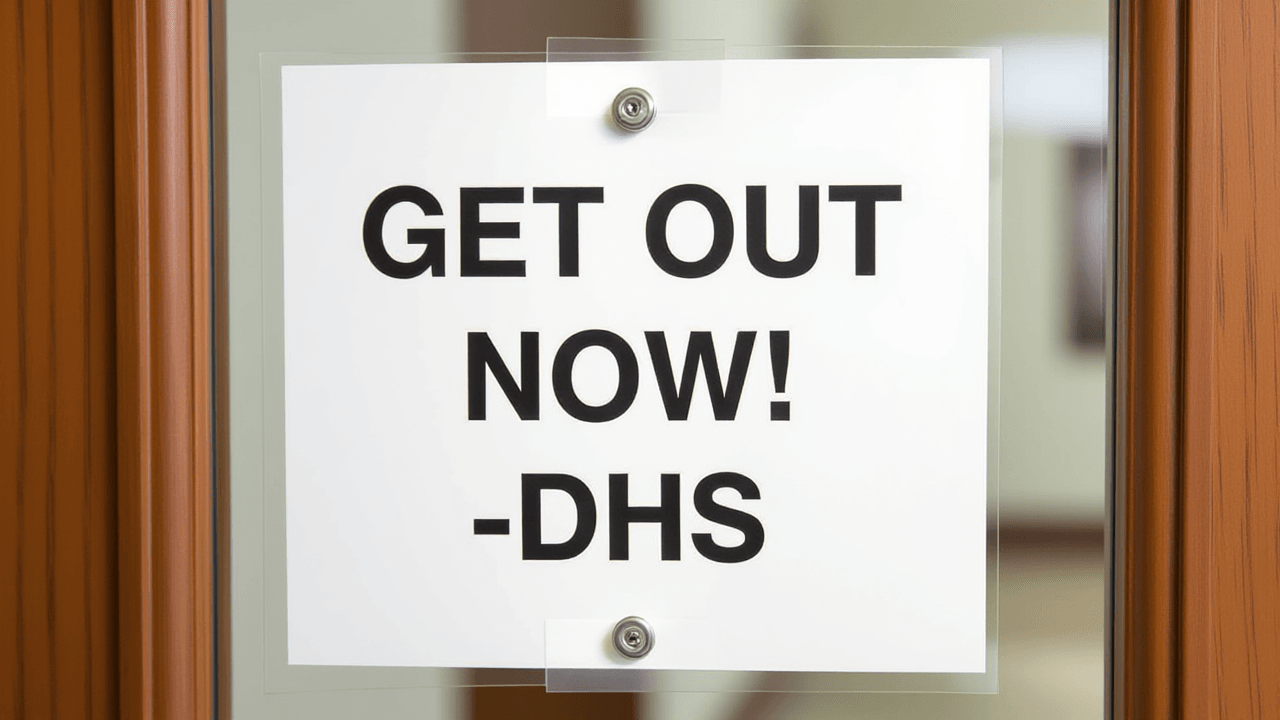
Picture this: you wake up, maybe pour your coffee, get your kids ready for school, and then—something slides through your mail slot. It's not a bill or a flyer. It's a letter from the Department of Homeland Security. The message is blunt: “It is time for you to leave the United States.”
No context, no explanation. Just a seven-day deadline. Thousands of Afghan parolees across the Bay Area opened their doors to this same chilling notice. Some letters didn’t even have names or case numbers. Confusion. Panic. You might wonder, was this really meant for you? Or is it some kind of mistake?
What Did the Letter Really Say?
- Direct order: Leave the U.S. within seven days.
- No legal gray area: “Don’t attempt to remain in the United States. The federal government will find you.”
- Work authorization gone: Recipients told they can no longer work legally.
It’s not just paper. It’s a threat—one that upends everything you thought was stable.
Immediate Fallout: Fear and Isolation
- Daily life, paused. People stopped going outside. Grocery shopping? Too risky. School drop-offs? Not worth it.
- Community in hiding. Some families huddled indoors, curtains drawn. One father skipped work for days, afraid to leave his family alone.
- Children caught in the middle. Parents hesitated to send kids to class. What if ICE came knocking?
The Bay Area, usually a place of bustling routines, turned eerily quiet for these families. The fear was real, and it ran deep.
"The fear and the emotions were really raw for a lot of people who did not go outside, did not go grocery shopping, did not do their normal activities for fear of being picked up by ICE." – Spojmie Nasiri, immigration attorney
From Welcome to Whiplash
Remember, these parolees were welcomed after 2021, vetted by the U.S. government. Many supported American troops, risking their lives back home. Now, with a single letter, they’re left in legal limbo. One day, you’re a neighbor. The next, you’re told to vanish.
- Thousands of letters hit Bay Area mailboxes in just a few weeks.
- Seven-day deadline. No exceptions, no appeals mentioned in the notice.
- Confusion spreads. Some letters lacked personal details. Others were followed by retractions, but not everyone got them.
It’s a mess. The uncertainty is paralyzing. And for many, the question lingers: Is this really how home ends?
Section 2: Layers of Legal Uncertainty – Navigating Status and Rights
Promises Made in 2021 – A Shifting Ground
Imagine being told you’re safe, that you have a new home, a new start—then, almost overnight, the ground shifts beneath your feet. That’s what happened for thousands of Afghan parolees in the Bay Area. Back in 2021, the Biden administration opened the door for Afghans who had worked alongside the U.S. military. They were vetted, given temporary legal status, and told they could rebuild their lives here. Many believed they’d finally found refuge.
But now, with a single letter, that sense of security has vanished.
1. Legal Limbo: When a Letter Changes Everything
The Department of Homeland Security (DHS) sent out notices—thousands, by some estimates—telling Afghan parolees it was “time for you to leave the United States.” The language was blunt. No soft edges, no room for questions. The letters also stripped away work authorization. In one line, people who’d been paying taxes, sending their kids to school, and working legally were suddenly told: stop. You can’t work here anymore.
No wonder, as one immigration attorney put it, “The fear and the emotions were really raw for a lot of people who did not go outside, did not go grocery shopping, did not do their normal activities for fear of being picked up by ICE.”
2. Confusion on Top of Fear
If you think the story ends there, it doesn’t. Some parolees received follow-up letters saying the first notice was a mistake. Others never got any clarification at all. There was no rhyme or reason—no personal details, no case numbers, nothing to make the letters feel official or even directed to the right person.
- Some received retraction letters.
- Others—nothing. Just silence.
It’s hard to know what to believe. Are you supposed to pack up and leave, or was it all a bureaucratic error? Even immigration lawyers are scratching their heads.
“The incompetency speaks for itself, that we are the United States government, and we are sending these notices. And, we are sending a few follows up, saying this was a mistake.” – Spojmie Nasiri, immigration attorney
3. Not Just Afghans: Errors Spread Wider
Here’s where things get even stranger. The letters didn’t just go to Afghan parolees. Some green card holders—people who are permanent residents—got the notices. Even a few U.S. citizens reportedly received them. Imagine opening your mail and being told to leave the country you’ve called home for years, maybe decades. It’s not just unsettling; it’s surreal.
- Green card holders wrongly targeted
- U.S. citizens caught in the mix
What’s the Real Impact?
Estimates suggest several thousand Bay Area Afghans are affected, but no one knows the exact number. The Department of Homeland Security hasn’t responded to requests for comment. It’s a silence that only deepens the uncertainty.
For families who risked everything to support the U.S. mission in Afghanistan, these letters are more than paperwork. They’re a reminder that, sometimes, home can disappear with a single envelope.
Section 3: The Climate of Fear – Psychological and Community Impact
The Fear That Seeps Into Everyday Life
If you walk through Afghan neighborhoods in the Bay Area right now, you’ll notice something’s changed. There’s a tension in the air. Kids who once played outside are now kept home. Parents whisper about skipping school, or even doctor appointments, because of a single letter. It’s not just a piece of mail—it’s a warning. A threat. And it’s working.
You might think, “Surely, it can’t be that bad?” But talk to anyone in the community, and you’ll hear the same story, over and over. Fear has become part of the daily routine.
How Fear Shapes Daily Decisions
- Kids kept home from school: Parents worry about being noticed, or worse, separated from their children.
- Doctor’s visits skipped: Even urgent medical needs are ignored, just to avoid any risk of being seen in public.
- Grocery trips avoided: Families stock up, then hunker down, hoping to stay invisible.
It sounds extreme, but this is the reality. As Harris Mojadedi, a local activist, puts it:
"These are folks, who, again, did put America first in supporting our armed service members, and our mission in Afghanistan. Right now, they are terrified."
Community Activism: Speaking Out, Pushing Back
Not everyone is staying silent, though. Leaders like Mojadedi are stepping up. They’re organizing meetings, talking to the media, and urging neighbors not to let fear win. Some call these mass notices a racialized scare tactic—meant to pressure Afghan families into leaving on their own.
You see, the ripple effect is real. When one family pulls back, others follow. Suddenly, entire blocks feel empty. Trust evaporates. Even long-time residents start to wonder if they’re next.
Remembering History: Old Patterns, New Faces
If this sounds familiar, it should. Activists and scholars point out the uncomfortable parallels to the 1970s and 80s, when Vietnamese parolees faced similar threats. The details change, but the pattern doesn’t. First, a group is welcomed. Then, when politics shift, they’re told to leave—quickly, quietly, with little explanation.
- Historical echoes: U.S. history is full of examples where new arrivals are embraced, then excluded.
- Community-wide anxiety: The fear doesn’t just impact individuals—it sets back integration for everyone.
Emotional Fallout: Overwhelm, Distrust, Withdrawal
You can’t measure this kind of stress with numbers. But you can see it—parents scanning the street before stepping outside, kids asking why they can’t see their friends, elders whispering about “ICE” like it’s a ghost. Overwhelm, distrust, and withdrawal ripple through the community.
With several thousand Afghan parolees estimated to be living in the Bay Area, the impact is hard to overstate. One letter, seven days, and suddenly, “home” doesn’t feel safe anymore.
Section 4: Bigger Picture – Policy, Precedent, and Human Rights Dilemmas
Local Voices Demand Accountability
You might wonder, who’s actually speaking up for these Afghan parolees facing sudden uncertainty? In California, the answer is clear: State Senator Aisha Wahab. She’s not just any lawmaker—she’s the first Afghan American ever elected to the state senate. Her message is blunt, emotional, and hard to ignore.
Afghanistan remains deeply unsafe, with a growing humanitarian crisis, widespread human rights violations, and an especially hostile environment for women – who are denied education, banned from working, and erased from public life. Many Afghans protected under TPS supported U.S. Armed Forces in Afghanistan. We made a promise to stand by them, and we must honor that promise.
– California State Senator Aisha Wahab
You read that and it’s tough not to feel the weight. Wahab’s words echo a bigger promise: the U.S. said it would stand by its allies. Now, with these letters, that promise feels shaky. Maybe even broken.
Humanitarian Danger: What’s at Stake?
- Afghanistan isn’t safe. Especially not for women. The Taliban regime has stripped away basic rights—no school, no jobs, no public life for women. It’s not just headlines; it’s daily reality.
- For many parolees, returning isn’t just scary. It’s dangerous. Some helped U.S. troops. That makes them targets now.
If you’re thinking, “Isn’t the U.S. supposed to protect people like this?”—you’re not alone.
Patterns or One-Offs? A Look at Policy Shifts
Here’s a tricky question: Are these letters just a blip, or are they a sign of something bigger?
- Pattern of enforcement: The U.S. has a history of shifting priorities. Vietnamese, Iraqi, Haitian, and now Afghan parolees have all seen sudden changes in policy. Sometimes, it feels random. Other times, it looks like a trend.
- No formal deportations… yet. Despite the panic, there haven’t been reports of people actually being deported. But the fear? That’s already real.
You might notice, this isn’t just about paperwork or process. It’s about trust. Can communities rely on the government’s word?
The Paradox: Welcomed, Then Excluded
- First, Afghan allies were vetted—thorough background checks, interviews, the works.
- Then, they were welcome—at least for a while.
- Now, with a single letter, they’re told to leave. No warning. No clear explanation.
It’s a whiplash effect. Imagine being told you belong—then suddenly, you don’t. The process feels less like policy, more like a paradox.
Unfinished Promises, Unanswered Questions
So where does this leave you, or your neighbors, or the families you see at the market? With questions. With worry. With a sense that the U.S. promise to its Afghan allies is, at best, unfinished business.
Section 5: Unfinished Stories – Where Do We Go From Here?
The Unanswered Questions
You might wonder, what happens next for the Afghan parolees who opened their mailboxes to a seven-day notice? The truth is, there aren’t many clear answers. Some received follow-up letters saying the first was a mistake. Others are left in limbo, with no case number, no name, just a chilling warning. Can you imagine that? Your whole life, your family's safety—hanging on a letter that might not even have your name on it.
Legal Fights and Community Advocacy
Attorneys like Spojmie Nasiri are working overtime. They’re challenging these notices in court, untangling confusion, and demanding accountability from the government. Community advocates are stepping up too, pushing for recognition and real protection. It’s not just about paperwork. It’s about keeping families together, making sure children aren’t too afraid to go to school, and parents aren’t skipping grocery trips out of fear.
There are stories of hope, too. Stories that cut through the fear and uncertainty. As one headline put it:
'Meet the student who's fighting ICE in court and winning.'That’s not just a legal victory. It’s a reminder that these are people—neighbors, classmates, friends—standing up for their right to belong.
Why These Stories Matter
You see headlines. Deportation. Parole. Policy. But behind every statistic is a family. Someone who risked everything to help U.S. troops, someone who believed in the promise of safety here. Now, they’re told to leave. Or worse, told nothing at all.
It’s easy to forget the human side. But the reality is, these stories matter. Not just because of politics or policy. Because they ask us what kind of community we want to be. Do we honor our promises? Do we see these families as part of “us,” or just numbers on a page?
Personal Reflection: Redefining 'Home'
Witnessing this up close, you start to question your own idea of home. Is it just a place, or is it the feeling of safety, of belonging? For many Afghan families in the Bay Area, home has become a question mark. Grocery trips are postponed. Children’s playdates are canceled. The fear is real, and it lingers.
Maybe you’ve never had to think about what it means to belong. Maybe you have. But these unfinished stories force all of us to look a little closer. To ask ourselves—what would we do if home suddenly became a seven-day notice?
The legal fights will go on. Advocacy will continue. But for now, the uncertainty remains. And the question—where do we go from here?—still hangs in the air, unanswered.
