
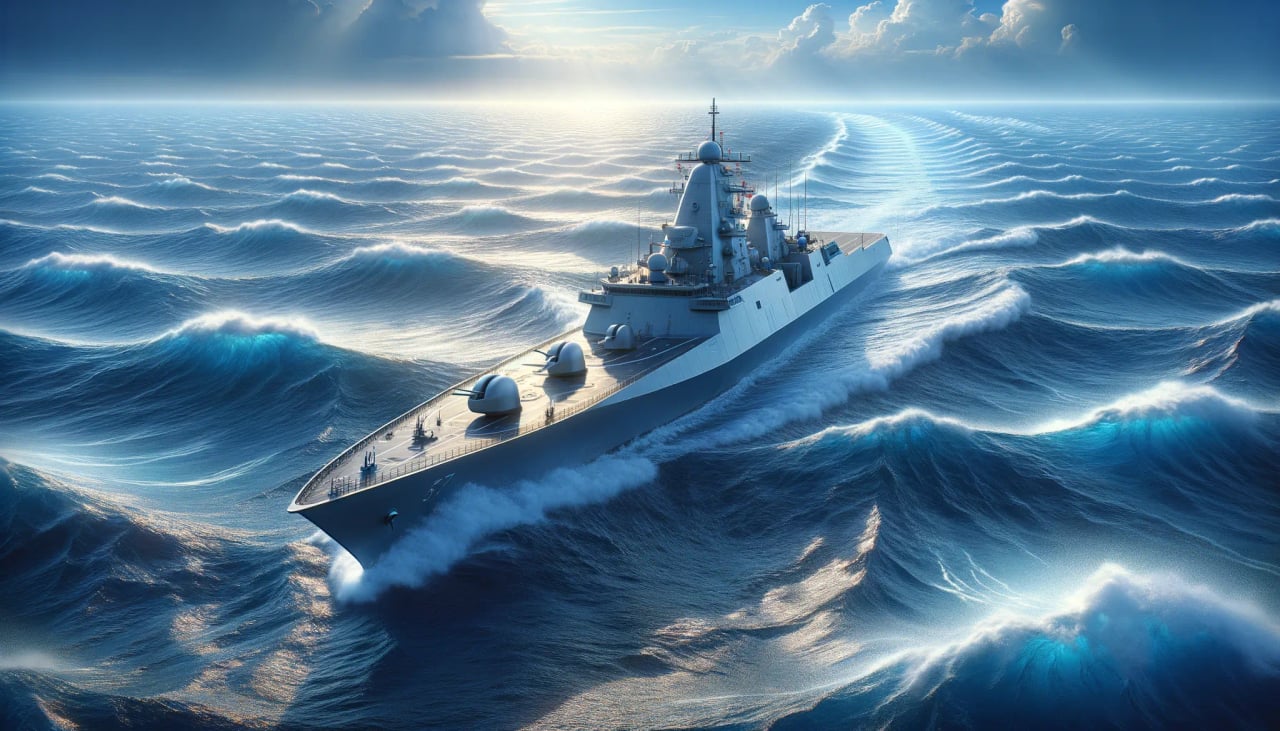



I’ll never forget the first time I saw the USNS Harvey Milk offshore—a sleek ship, its bold lettering sparking discussions among my crew about the power of a name. Fast-forward to June 2025, and the nation’s talking: Should ships named for civil rights heroes, like Harvey Milk, Thurgood Marshall, and Ruth Bader Ginsburg, be renamed? The Pentagon’s weighing the move, and the story’s a lot more layered than it seems on the surface. Let’s dive into controversy, legacy, and what a simple name on steel can really mean.
John Lewis-class Ships: Why These Names Matter
When you step aboard a John Lewis-class ship, you’re not just walking onto a vital fleet oiler—you’re entering a living tribute to the Civil Rights Leaders who shaped American history. The USNS Harvey Milk, christened in 2021, stands as a powerful example. Its name, and those of its sister ships, were chosen with intention: to honor those who fought for equality and to signal a Navy striving toward inclusivity.
Symbols of Change at Sea
The John Lewis-class Ships are more than logistical workhorses. They are floating symbols of change. Each vessel in this class—named for icons like John Lewis, Thurgood Marshall, Ruth Bader Ginsburg, Medgar Evers, and Harvey Milk—carries a legacy that resonates far beyond the steel of their hulls.
For many sailors, seeing these names on the stern is a daily reminder of the progress made, and the struggles endured, by those who came before. The USNS Harvey Milk, in particular, represents a story of both service and sacrifice. Milk, a Navy veteran and one of the first openly gay elected officials in the U.S., was forced out of the military in the 1950s for his sexual orientation. Decades later, his name gracing a Navy ship marked a turning point—a public acknowledgment of the value of diversity within the armed forces.
Real Stories: Names That Matter
Sailors serving aboard these ships often speak of a unique pride. One crew member aboard the USNS Harvey Milk described the experience as “carrying history with us, every mile we sail.” For LGBTQ+ service members and those from communities represented by these Civil Rights Leaders, the symbolism is deeply personal. It’s a reminder that their stories, and their struggles, are recognized by the institution they serve.
Research shows that representation matters in military culture. The presence of these names can foster a sense of belonging and respect, especially for those who may have felt invisible in the past. It’s not just about honoring the past—it’s about shaping the present and future climate aboard Navy vessels.
The John Lewis-class: Backbone of the Fleet
Beyond symbolism, the John Lewis-class Ships play a critical role in Navy operations. As fleet replenishment oilers, they are the logistical lifelines for carrier strike groups, enabling sustained missions at sea. The USNS Harvey Milk completed its first major replenishment-at-sea on September 24, 2024, supporting U.S. and allied vessels in the Pacific. These ships ensure that the Navy’s fighting force remains supplied, fueled, and ready—no matter how far from home.
The class itself is named for Congressman John Lewis, a towering figure in the civil rights movement who died in 2020. Each ship in the class is a nod to Americans who broke barriers and expanded the definition of freedom. This deliberate naming strategy was a statement: the Navy is not just about power projection, but about upholding the values that define the nation.
Controversy and the Weight of Names
Now, with the Navy considering renaming the USNS Harvey Milk and other John Lewis-class Ships, the debate over what these names represent has reignited. The move, reportedly part of a broader push to “reestablish the warrior culture,” has drawn sharp criticism. Speaker Emerita Nancy Pelosi told CBS News,
"Honoring legacy figures on our ships goes beyond tradition—it’s a promise to the next generation."
She called the potential renaming a “shameful, vindictive erasure” of those who fought for the American Dream.
The controversy comes at a time when the military is reassessing how it recognizes diversity and inclusion. The Pentagon’s recent directive to end official observances of heritage and awareness months—including Pride Month and Black History Month—has only heightened the sense that something significant is at stake.
Legacy on the Water
For now, the John Lewis-class Ships remain at the center of a national conversation about history, honor, and the Navy’s mission. Their names are more than markers—they are reminders of the ongoing struggle for equality, and the power of recognition in shaping the culture of America’s armed forces. As these fleet oilers continue their vital work at sea, their names carry a weight that extends far beyond logistics.
A Name’s Legacy: Inclusion, Erasure, and the LGBTQ+ Community Impact
When you hear the name Harvey Milk, you might think of a trailblazer for LGBTQ+ rights—a symbol of courage, visibility, and hard-won progress. But for many, especially those who have served in uniform, the Harvey Milk legacy is more than a headline. It’s a personal story, a reminder of what it means to be recognized—or erased—by the institutions that shape our national identity.
The Journey from Navy Officer to LGBTQ+ Icon
Harvey Milk’s path began in the U.S. Navy, where he served as a lieutenant junior grade from 1952 to 1954. He worked as an operations and dive officer on the USS Chanticleer and the USS Kittiwake, both active during the Korean War. But Milk’s service ended abruptly. In January 1954, he was forced to resign with an “Other Than Honorable” discharge after being targeted for his sexuality—a fate shared by countless LGBTQ+ service members of his era.
Decades later, Milk’s story took a turn. After becoming one of the first openly gay elected officials in the United States, his activism and tragic assassination in 1978 made him a national symbol. When the USNS Harvey Milk was christened in 2021, it marked a milestone for military inclusivity—a gesture that, for many, felt like long-overdue recognition of LGBTQ+ contributions to the armed forces.
Pride Month, WorldPride, and the Timing of the Renaming Debate
Now, in June 2025, the Navy is considering renaming the USNS Harvey Milk. The timing is striking: the proposal surfaced during Pride Month, a period dedicated to celebrating LGBTQ+ history and resilience. This year, WorldPride celebrations are also taking place in Washington, D.C., adding another layer of significance. For many in the LGBTQ+ community, the move feels like more than a simple Navy ship renaming—it’s a challenge to the spirit of Pride Month Celebrations and the progress they represent.
Research shows that debates over Navy ship renaming are deeply intertwined with ongoing battles for LGBTQ+ recognition and military inclusivity. The USNS Harvey Milk is not the only vessel under review. Navy documents reveal that ships named for other civil rights leaders—like the USNS Thurgood Marshall, USNS Ruth Bader Ginsburg, and USNS Cesar Chavez—are also on the “recommended list” for renaming. The rationale, according to Pentagon memos, is to “reestablish the warrior culture” and align with the Commander-in-Chief’s priorities.
Recognition, Erasure, and the Weight of a Name
For those who fought for LGBTQ+ rights, the potential erasure of Harvey Milk’s name from a Navy ship is more than symbolic. It reopens old wounds about recognition and historical justice for marginalized veterans. As Speaker Emerita Nancy Pelosi put it in a statement to CBS News:
"It is a surrender of a fundamental American value: to honor the legacy of those who worked to build a better country."
The USNS Harvey Milk’s naming was, for many, a belated act of honor for a man who was once forced out of the Navy for being himself. Now, the prospect of removing his name feels like a reversal—a signal that the fight for inclusion is far from over.
A Veteran’s Perspective: Mixed Emotions and Lingering Questions
Consider the experience of a Navy veteran who once served under “Don’t Ask, Don’t Tell.” For them, seeing Harvey Milk’s name on a Navy ship was a moment of validation, a sign that times had changed. Now, with the Navy ship renaming proposal on the table, those feelings are complicated. There’s pride in how far the military has come, but also frustration and sadness that progress can be so easily undone.
The conversation around the USNS Harvey Milk is emotionally charged. Milk’s personal saga as both a Navy lieutenant and a public figure for LGBTQ+ rights gives the debate special resonance, especially during Pride Month. Decades after being forced out, his name on a Navy vessel was an act of belated honor—now potentially undone.
More Than a Name: The Ongoing Battle for LGBTQ+ Community Impact
The Harvey Milk legacy is not just about one man or one ship. It’s about the ongoing struggle for recognition, dignity, and inclusion in American life. The Navy ship renaming debate—especially as it unfolds during Pride Month Celebrations—reminds you that the fight for LGBTQ+ rights is not just history. It’s happening now, in the names we choose to remember and the stories we decide to tell.
Power Struggles and the Pendulum: Policy, Politics, and Pete Hegseth
If you serve in the U.S. Navy or have a loved one who does, you know that ship names are more than just words painted on steel. They’re symbols—of history, of values, of the stories America chooses to honor. That’s why the recent moves by Defense Secretary Pete Hegseth to reverse Diversity, Equity, and Inclusion (DEI) initiatives and push for Navy ship renaming have sparked such intense debate, both within military circles and around family dinner tables.
This isn’t just about the USNS Harvey Milk. It’s about a broader shift in military culture, one that’s tied closely to Trump Administration policies and a renewed focus on what officials call the “warrior ethos.” The Navy is now considering renaming not only the Harvey Milk, a ship named for the slain gay rights leader and Navy veteran, but also other vessels honoring civil rights icons like Thurgood Marshall, Ruth Bader Ginsburg, and Cesar Chavez. The timing is pointed—coming during Pride Month, as WorldPride celebrations unfold in Washington, D.C., and as the nation reflects on the legacy of the Stonewall uprising.
For many, these changes feel like a pendulum swing. With each new administration, the policies—and the names—shift. One president’s effort to recognize social change and inclusion becomes the next president’s target for rollback. As research shows, naming is never just about tradition; it’s a tool for cultural and political messaging. The story told on the hull of a Navy ship can change as quickly as the story told from the Oval Office.
Secretary Hegseth’s directive, issued just after his confirmation in January, bans official military events tied to heritage or awareness months. That means no more Pride Month, Black History Month, or Women’s History Month celebrations in official spaces. The stated goal: to prevent division and reinforce unity within the ranks. But critics, including Speaker Emerita Nancy Pelosi, see it differently. “This spiteful move does not strengthen our national security or the ‘warrior’ ethos. Instead, it is a surrender of a fundamental American value: to honor the legacy of those who worked to build a better country,” Pelosi told CBS News.
The Navy’s internal documents, obtained by CBS News, reveal that the renaming process is already underway. Navy Secretary John Phelan is expected to select a new name for the USNS Harvey Milk by June 13, 2025, following a legal review. Other ships in the John Lewis-class—named after civil rights leaders—are also on the “recommended list” for renaming. This is not the norm; the Navy rarely renames ships once they’re in service, making this moment particularly significant.
Chief Pentagon spokesman Sean Parnell put it plainly:
“Ensuring that the names attached to all DOD installations and assets are reflective of the Commander-in-Chief’s priorities, our nation’s history, and the warrior ethos.”
That’s the official line. But for those who serve, and for their families, the reality is more complicated. These changes can feel disorienting—like whiplash. One year, a ship’s name is a badge of progress. The next, it’s a casualty of political realignment.
At home, these decisions spark heated conversations. Which legacy deserves “honor” on the hull? Is it the story of a trailblazing civil rights leader, or the story of a return to traditional military values? There’s no easy answer, and that’s the point. The debate itself is a reflection of the country’s ongoing struggle to define its identity—on land and at sea.
As the Navy prepares to announce new names, the message is clear: the pendulum of policy and politics is always in motion. For now, the focus is on unity and the so-called warrior ethos, with DEI initiatives taking a back seat. But if history is any guide, the next swing could bring a new set of names—and a new set of values—to the fleet.
In the end, the names we choose for our ships are more than just labels. They’re statements about who we are, what we value, and how we want to be remembered. And as administrations change, so too does the story we tell—one hull at a time.
